BPC-157 – Will it be approved? Effectiveness and risks according to scientific data.
BPC-157 is a peptide made up of 15 amino acids, also known as PL 14736, PL-10 or Bepecin.
This is perhaps one of the most popular peptides from the so-called „gray market,“ which are not approved for human use, but are nevertheless sold online as products for “scientific purposes.”.
On various websites and forums, BPC-157 is often presented as a means for rapid recovery of tendons, joints, muscles, stomach ulcers, and intestinal problems.
But despite its popularity, two important questions arise when it comes to BPC-157:
- Is there enough research on the effectiveness and safety of BPC-157?
- Will BPC-157 be approved for these or other benefits?
In this article, you will learn everything about this peptide, its potential benefits and risks.
What is BPC-157?
BPC-157 is a peptide synthesized in the early 1990s by a Croatian research team led by Prof. Predrag Sikiric. The same scientist held the patent on the peptide from 1998 to 2018.
To date, there are numerous publications related to the peptide by various authors, but most of them are just reviews of previous experiments.
The experiments themselves related to the peptide are practically entirely the work of the same team – that of Prof. Predrag Sikiric.
According to this team of scientists, BPC-157 is a fragment of a larger protein called “Body Protection Compound”, allegedly isolated from human gastric juice with a molecular mass of 40,000 Da, and described as having „a vast array of protective and regenerative effects“ [1].
But there are several problems with this claim:
- There is currently no scientific publication about this stomach protein, its structure is completely unknown, and no other team of scientists has reported on it.
- The name „Body Protective Compound“ is given to the peptide before systematic research into its effects has been completed, which implies a foregone conclusion from the research.
- Furthermore, the team itself admits in another publication that the peptide shares no structural similarities with known proteins — i.e., it has no homology to any known protein — neither human nor from any other organism. [2].
However, Prof. Predrag Sikiric's team claims that it is precisely a 15 amino acid sequence of this protein that mediates all of its positive regenerative effects – and this is precisely the peptide BPC-157. [3].
Is there BPC-157 in the human body?
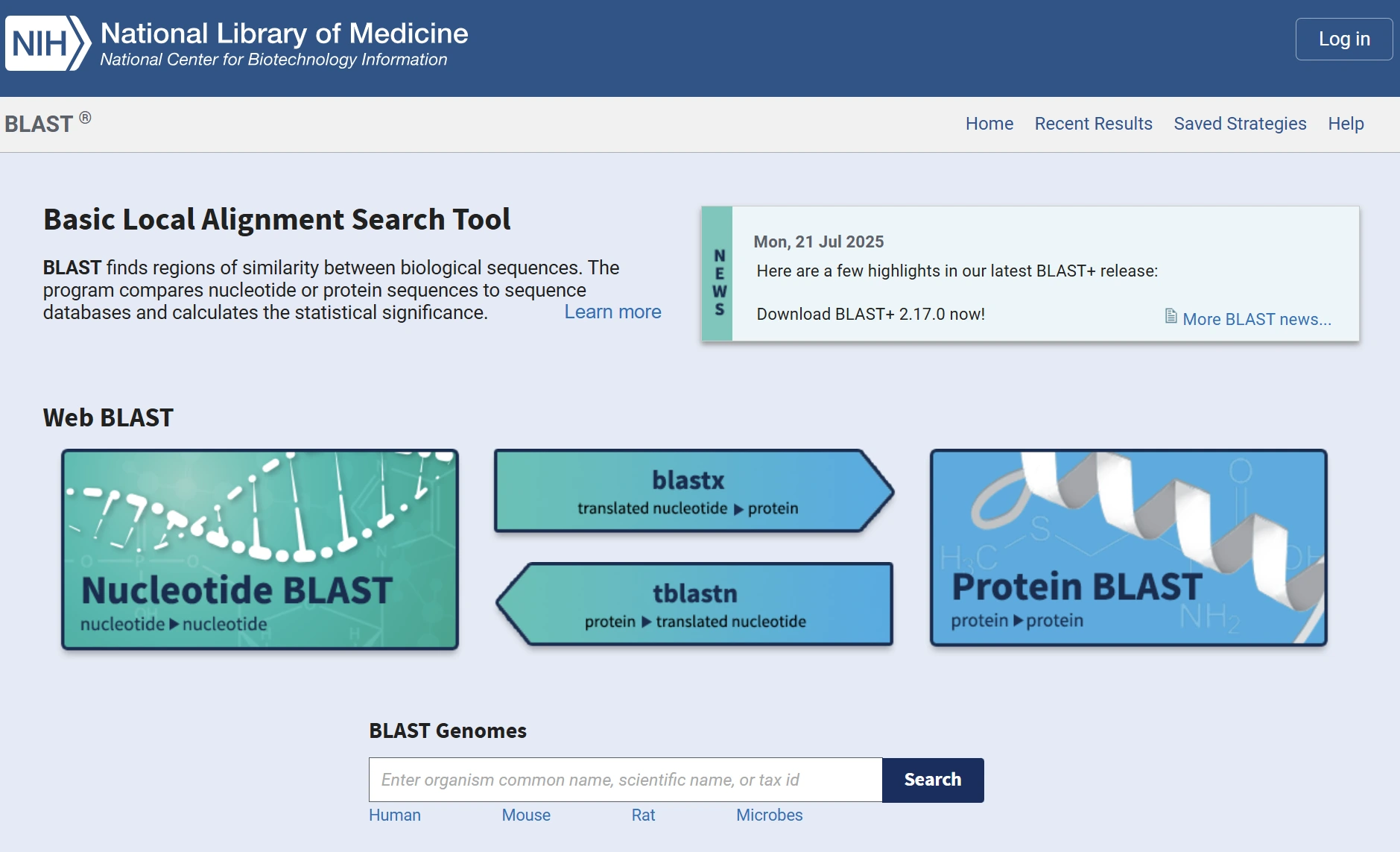
This is an easily verifiable fact, especially after 2022 when 100% of the human genome is fully sequenced and accessible through the BLAST database – blast.ncbi.nlm.nih.gov
Anyone can put the peptide sequence – GEPPPGKPADDAGLV – into this database and compare it to the entire human genome.
However, there is no coincidence.
What has BPC-157 been tested for in animals?
Effects of BPC-157 on tendons, bones and muscles
Almost all studies in this direction have been conducted by the team of Prof. Predrag Sikiric:
- In a mouse study, the peptide was shown to improve the recovery of injured muscles. Proposed mechanisms include increasing levels of growth factors associated with angiogenesis. [4].
- Two studies on the effects of BPC-157 on Achilles tendon repair in rats demonstrate reduced inflammation and improved angiogenesis and collagen organization [5],[6].
- A study on rabbits with partially healed bone defects showed significant improvement with BPC-157 injections [7].
- In addition to angiogenesis, another study in mice also reported anti-inflammatory properties and potential pain reduction when testing BPC-157. [8].
Effects of BPC-157 on the nervous system
Several experiments by Prof. Predrag Sikiric also suggest that BPC-157 may have protective effects on nervous tissue, especially in laboratory models of toxicity or traumatic brain injury.
- A 2014 study highlights evidence that BPC-157 reduces methamphetamine-induced neurotoxicity in rats [9].
- According to a study in mouse models of traumatic brain injury, administration of BPC-157 significantly reduced cellular damage and mortality in the animals. [10].
Effects of BPC-157 on the Digestive System
Prof. Predrag Sikiric's team is investigating BPC-157 in various digestive system disorders in animals:
- A rat study suggests that higher doses of BPC-157 significantly accelerate the healing of ileoileal anastomosis [11].
- A study on BPC-157 in rats with short bowel syndrome showed weight gain and improved intestinal parameters after oral and intraperitoneal administration [12].
- The team speculates that the most likely mechanisms behind the benefits in animals are related to the peptide's influence on angiogenesis, increasing levels of growth factors and vasodilators such as nitric oxide. [13],[14],[15],[16].
- Another team from Croatia, which included Boris Mildner – again one of Predrag Sikiric’s co-authors – claims that the peptide can also accelerate the healing of skin ulcers in animal models of diabetes by affecting the levels of growth factors that stimulate collagen synthesis. [17].
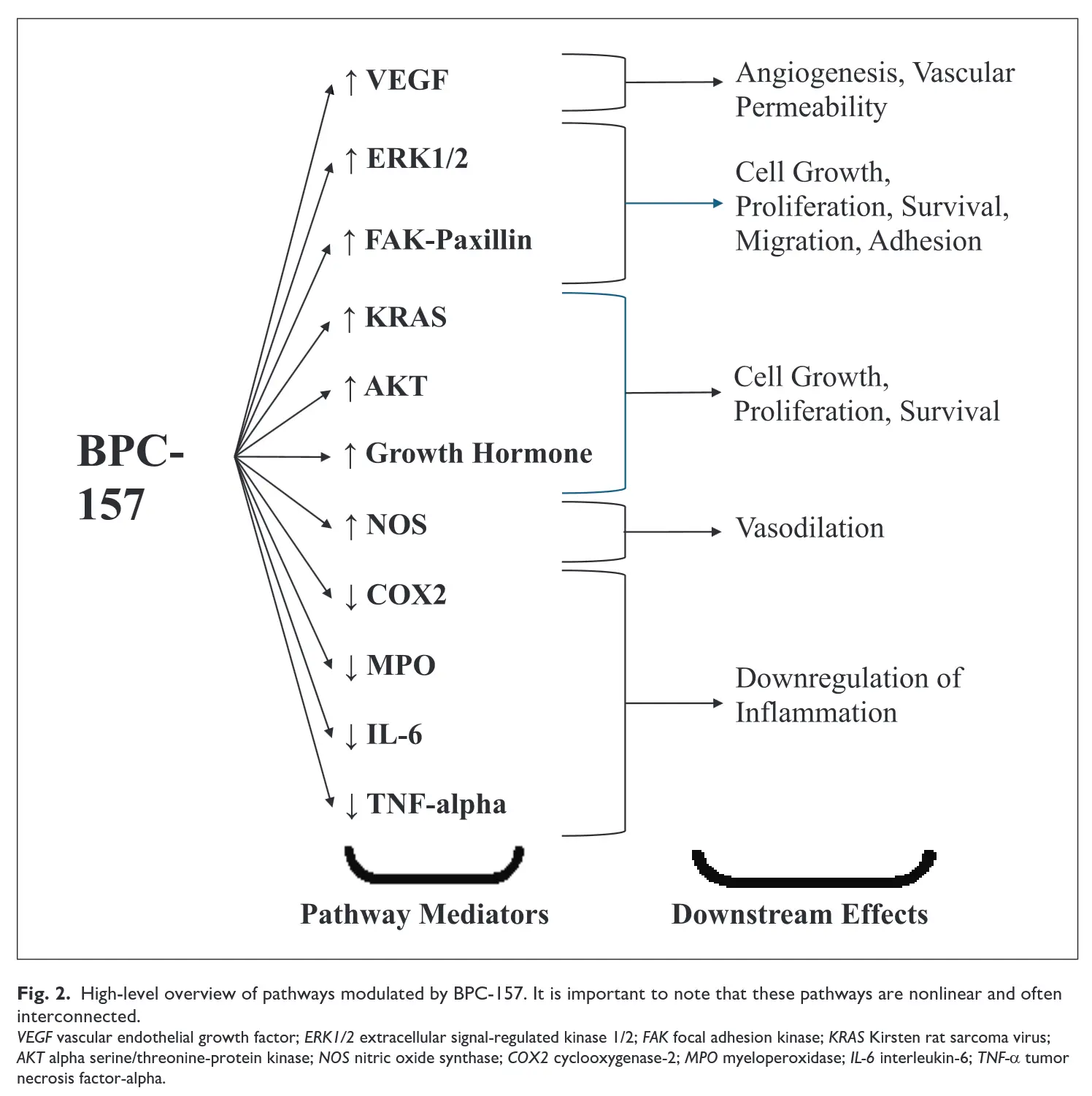
Source: Vasireddi et al. (2025) [18].
Are there studies by other authors?
Currently, in addition to the experiments of Prof. Predrag Sikiric, there are also a small number of experiments with cell cultures and animals by a team of Chinese scientists. They have published the following studies:
- An in vitro study on severed tendons suggests that BPC-157 may stimulate the migration and proliferation of fibroblasts (cells that produce collagen) to the site of injured tissue. [19].
- An animal study suggests that BPC-157 may aid in the recovery from injury, especially to tendons, muscles, and bones, by promoting angiogenesis (the formation of new blood vessels) and the growth of fibroblasts. [20].
- Another animal study also suggests that BPC-157 accelerates the healing of skin wounds, specifically in rats with alkali burns that were treated topically with the peptide. [21].
Are there any studies in humans?
To date, there is only one study conducted in humans, which was published in 2021 by two American doctors – one an orthopedist, the other the owner of a clinic for alternative treatments, including therapy with unapproved peptides. [22].
The publication examines retrospectively collected data from past examinations among 16 patients with chronic pain to whom doctors administered BPC-157 alone or in combination with another peptide, inside the knee joint.
The most common problems in the patients were meniscus tears, cruciate ligament tears, and popliteal bursitis. Doctors administered a single injection of 3-4 mg of BPC-157.
According to the authors, 14 out of 16 patients (87.5%) experienced some relief after the injection, with 7 of these patients experiencing relief lasting over 6 months.
However, we have no way of knowing whether the benefits are due to the treatment or other factors, as there is no control group. Furthermore, the authors have a clear conflict of interest, and the publication is in a journal of questionable authority.
Will they approve BPC-157 for human use?
Before reaching the patient, each peptide goes through a preclinical stage – testing in cells and animals for basic safety and efficacy. If the results are promising, the clinical phases begin.
- Phase 1 tests safety in 20 to 100 healthy volunteers – looking for the maximum tolerated dose and monitoring how the body metabolizes the molecule.
- Phase 2 It already involves hundreds of real patients and aims to prove that the peptide actually works against the disease and find the optimal dose. This is where most candidates „die.“.
- Phase 3 is the decisive one – thousands of patients in multiple centers, randomized and double-blind, compared to standard treatment or placebo.
If the results are convincing, the company applies for approval, after which the drug is released to the market under continued monitoring. The entire process takes an average of 10 to 15 years.
Currently, there is only one attempt at a similar clinical trial by the Croatian pharmaceutical company PharmaCotherapia, which is published on clinicaltrials.gov.
This is a phase 1 study that started in 2015, which aimed to investigate the safety and dosage of BPC 157.
Specifically, BPC 157 was to be tested in tablet form over a period of 2-3 weeks.
However, the study was cut short in its infancy, and it is unclear whether it even began. [23].
The reasons for its termination remain unknown. A likely reason is that PharmaCotherapia is actually owned by the same Prof. Predrag Sikiric, who also develops everything else related to BPC-157.
Given the lack of interest from other companies, it seems unlikely that BPC-157 will ever enter clinical trials and receive regulatory approval.
The main obstacle is the lack of interest from the pharmaceutical industry, which is most likely due to the dubious circumstances surrounding the peptide's "discovery" and the scant scientific data supporting its therapeutic potential.
It is these doubts that deter even the largest pharmaceutical companies from risking hundreds of millions on a molecule whose origin and efficacy raise serious questions.
What are the risks and side effects of BPC-157?
According to available scientific studies in animals, BPC-157 has no side effects. [24].
But as already discussed, the majority of studies with BPC-157 have questionable qualities that should be taken with considerable skepticism.
However, even if the peptide is completely safe for animals, there are no studies to clarify its safety in humans.
The only human study to date used single intra-articular injections of BPC-157, and the authors reported no side effects.
Some studies raise concerns that if the mechanisms of BPC-157 are correct, and it works by increasing the expression of growth factors, including those related to angiogenesis, this may be associated with risks.
Specifically, some authors point out that such effects can accelerate tumor growth in patients with cancer.
These side effects and potential contraindications remain speculative.
Due to a lack of safety data, no regulatory authority in the world can approve BPC-157 for human use, including the European Medicines Agency (EMA).
Additionally, some regulators, such as the U.S. Food and Drug Administration (FDA), have expressed concerns that peptides sold online as BPC-157 are not actually subject to any oversight. [25].
Because of this, no one can guarantee their real composition, and this leads to a number of concerns:
- Risk of allergic reactions caused by the peptide or other ingredients;
- Risk of potentially dangerous impurities, pollutants and other chemical substances;
- Risk of biological contamination;
- Risk of replacing the active ingredient with another substance or lack of an active ingredient.
Why is BPC-157 banned by the World Anti-Doping Agency (WADA)?
BPC-157 is on the World Anti-Doping Agency's list of prohibited substances (S0, to be precise).
This is often interpreted as a sign that the peptide is working and could give an unfair advantage to athletes who use it for recovery.
But in fact, according to the World Anti-Doping Agency, the peptide is primarily a risk for athletes, as it is not an officially regulated substance and the quality or composition of products available on the internet remains uncertain.
In order to protect the health of athletes, WADA prohibits the use of the peptide, as well as any other substances labeled as "for research purposes only"„ [26].
How is BPC-157 taken and dosed?
Due to the lack of Phase 1 studies, the half-life of BPC-157 in humans has never been studied. Accordingly, it is unclear at what doses the peptide is safe and how long it remains in the body.
Independent studies report that the peptide is stable in blood plasma for over 4 hours – this is not enough information to determine the half-life, but it can be assumed that the half-life will be more than a few minutes in humans. [27].
In mice, the half-life was estimated to be 30 min after intramuscular or intravenous administration. [18].
However, there is no reliable information on frequency of use or dosage in humans.
The only clinical study tested single doses of the order of 3-4mg placed intra-articularly.
Despite the lack of data, various dosing protocols for injection, oral, and even nasal administration are widely shared on the internet:
One of the most commonly mentioned is subcutaneous injections of 250mcg of the peptide given 1-3 times a day, every day for a period of 4 weeks. The dosage is similar in unofficial protocols using tablets or intranasal spray.
None of these methods have been formally tested in humans, and no effective or safe dosage has been established.
Some authors on the internet even try to extrapolate data from animal studies, considering that the dose in mice is in the order of 10mcg/kg per day. [28].
To calculate a comparable human dosage, researchers often refer to the dose conversion guidelines proposed by Nair et al. (2016).
According to this guide, the conversion factor from rat doses to human doses is about 1/6.2. Therefore, a dosage of 10 mcg/kg in rats is equivalent to approximately 1.61 mcg/kg in humans. [29].
Despite attempts at scientific justification, these doses also remain entirely speculative.
BPC-157 – Opinion of a specialist doctor
BPC-157 is perhaps one of the most popular recovery peptides, but there is not a single reliable study conducted in humans, and even those in animals were practically conducted by the same author.
The combination of conflicts of interest, an unreproducible isolation process, a sequence that is missing from the human genome, 30 years of research conducted almost entirely by a single laboratory, and human trials that were never published paints a picture that goes far beyond simple scientific uncertainty.
The story surrounding the source protein and its active part BPC-157 seems at the very least like a serious exaggeration, and possibly even like an outright hoax.
By For this reason, no pharmaceutical company is interested in this molecule and it will never be tested and approved for use in humans.
Dr. Dimitar Marinov MD
