
What are the symptoms of low testosterone and when should you get tested?
Unfortunately, low testosterone (T) levels are increasingly common, even in young men. And it can lead to extremely unpleasant symptoms such as decreased libido, muscle loss, fat accumulation, and chronic fatigue.
The best way to find out what your testosterone levels are is to visit a laboratory and get tested, following the recommendations before testing.
But, if you have any of the symptoms described in this article, then a testosterone test as well as consultation with a doctor are absolutely mandatory.
Early diagnosis is extremely important because, in addition to the symptoms that will inevitably worsen your quality of life, low testosterone also poses numerous other risks.
Symptoms and signs of low testosterone
Low testosterone is common with age, as levels decline by about one percent per year after you turn 30. If your levels drop below 300 ng/ml and are accompanied by symptoms, this is a sure sign of hypogonadism.
The condition can cause a range of symptoms that often vary from patient to patient. Your specific symptoms will depend on your age, health, and the length of time you have had the condition.
One of the most typical symptoms is erection problems - the so-called. erectile dysfunction (ED). Atherosclerosis, which progresses with age, also contributes to ED, so older men are more likely to develop this symptom.
The symptoms of low testosterone are often interrelated, and one problem can lead to another. For example, men with hypogonadism are more likely to gain body fat. fat around the belly. Studies reveal that low testosterone increases the risk of abdominal (so-called abdominal or central) obesity [1].
In turn, central obesity contributes to complications that are also typical signs of low testosterone. These include elevated levels of cholesterol, high triglycerides, insulin resistance and increased risk of type 2 diabetes. Obesity can also harm your testosterone levels – it usually lowers total before free testosterone levels are affected.
On the other hand, it should be borne in mind that genetic predisposition, as well as lifestyle factors, are also important in the development of type 2 diabetes. [2].
Therefore, men with low testosterone, who are genetically predisposed to insulin resistance and have low physical activity, are most susceptible to developing diabetes as a complication.
Furthermore, long-standing hypogonadism without treatment can lead to additional problems such as: chronic fatigue, osteoporosis, anemia and heart problems.
In short:
The most common symptoms and signs of low testosterone include chronic fatigue, decreased sexual desire, erectile dysfunction, loss of muscle mass, fat accumulation, and an increased risk of other chronic conditions.
Source: shutterstock.comDecreased libido and sexual activity
It has been scientifically proven that low testosterone reduces libido (the desire for sex) as well as the pleasure a man experiences from the act. [3]. However, the exact relationship between low T and sexual desire has not yet been fully unraveled by science.
What we do know is that male libido is a highly individual trait and varies greatly between different men, so measuring it objectively is practically impossible.
The low testosterone It can also affect the size of the testicles, especially in cases of secondary hypogonadism. This occurs when there is not enough stimulation from the pituitary gland to them.
Hypogonadism is one of the main causes of small testicles (less than 3.5 cm at the widest part). Normally, The length of the testicles is about 4-5 cm.
Low testosterone also leads to a decrease in sperm volume and quality, as the male sex hormone is essential for normal sperm production.
This can lead to difficulties in creating offspring and even lead to sterility.
Other reasons that can lead to fertility problems without causing a drop in testosterone include:
- Reproductive system infections
- Varicose veins (varicocele), tight men's underwear and other factors that increase the temperature in the scrotum
- Genetic diseases
Erection problems
Testosterone is most likely to exert its influence primarily through its effects on libido and arousal. In addition, the hormone is important in activating various enzymes that control both the initiation and termination of penile erection.
Vasodilators such as Viagra (sildenafil) are the most commonly prescribed medications for ED. However, there are cases of patients with low T who do not respond to treatment unless it is combined with testosterone injections or so-called testosterone replacement therapy (TRT). [5].
On the other hand, treatment with TRT alone is usually insufficient to improve erections. This is because erectile dysfunction often has a complex etiology that includes a combination of hormonal, psychological, and vascular problems.
Studies advise that if there is no improvement in erectile function after 3 months of testosterone treatment, sildenafil or another similar vasodilator should be added. [6].
In short:
Sexual problems are among the most common symptoms of low testosterone. They usually include decreased libido and, in more serious cases, erection problems.
Hot flashes
There is currently no evidence to suggest how low testosterone causes these feelings. Some studies suggest that a sharp drop in testosterone causes instability of the temperature control center in the brain [7].
In addition, the lack of testosterone can lead to peripheral vasodilation, in which more blood suddenly reaches the skin, causing the so-called "hot flashes." Accordingly, in order to lower the skin temperature, the body responds by sweating profusely.
In short:
Hot flashes in men can be a sign of a sharp drop in testosterone.
Source: shutterstock.com
Mental health problems
The most common psychological effects of low testosterone include depression and anxiety. Research confirm that people with hypogonadism are more likely to experience depressed mood compared to other men [8].
In some cases, „resistant depression“ is the main symptom of hipоgonadism and patients are diagnosed with low testosterone only after they fail to respond to standard antidepressant therapy.
Because of this, some specialists even recommend measuring testosterone levels in all men suffering from depressive conditions.
Depression and anxiety
According to available evidence, testosterone can affect mood and emotional state by modulating certain receptors in the brain.
More specifically, these are the receptors for GABA (gamma-amino butyric acid) and serotonin. [9]. These receptors play a role in numerous brain processes, including relaxation, mood control, emotions, etc.
The low testosterone has a negative impact on these receptors and causes symptoms of depression, mood swings, and gloom. In addition, low T can lead to increased irritability and anxiety attacks (e.g., panic attacks).
Poor concentration and memory
Cognitive problems are another common complaint in men with low T. Research confirms that declining testosterone in older men is associated with cognitive decline, although the data is mainly epidemiological. [10] .
Symptoms of low testosterone related to brain function can include decreased memory, difficulty concentrating, and brain fog.
Furthermore, a meta-analysis including data from more than 5,000 men concluded that low testosterone increases the risk of dementia (e.g. Alzheimer's) in older men [11].
Therefore, it is possible that hypogonadism may put you at increased risk of neurodegenerative conditions.

Source: shutterstock.comFatigue and decreased motivation
Progressive chronic fatigue is one of the most common non-specific signs of low testosterone according to studies [12]. The symptom can significantly reduce your ability to work and quality of life.
In addition, men with low testosterone are also more likely to experience lethargy and drowsiness. A common complaint is falling asleep immediately after dinner.
Sleep disorders
Scientists believe that sleep problems in men with low testosterone are a sign of severe hypogonadism [13]. In addition, poor sleep quality, insomnia, and waking up with a persistent feeling of fatigue can further worsen your quality of life.
Some studies have shown that the cause of poor sleep quality in patients with low testosterone is its negative impact on certain phases, specifically the slow-wave and paradoxical (REM) sleep phases. [14].
On the other hand, obesity-related sleep disorders, such as sleep apnea, can further lower your testosterone levels and worsen existing hypogonadism. This creates a vicious cycle, especially if timely measures are not taken against obesity.
However, patients with severe sleep apnea and low testosterone are not suitable for testosterone therapy. Studies show that this is because THT causes changes in the body's oxygen needs and the body's response to low oxygen levels, resulting in even more severe sleep apnea. [15].
Decreased strength and muscle mass
Testosterone is an anabolic hormone with a key role in maintaining muscle mass and preventing its loss. her.
Studies with men who were deprived of their natural T production reported a progressive decrease in the size and strength of their muscles. [16]. Loss of muscle mass also leads to lower muscular endurance.
Additionally, muscle wasting contributes to low self-esteem and depression, chronic fatigue, weakness, and bone loss.

Source: shutterstock.com
Increased body fat
According to studies, testosterone regulates fat metabolism by exerting catabolic effects on adipose tissue. [17]. The male sex hormone regulates two key enzymes called lipoprotein lipase (LPL) and hormone-sensitive lipase (HSL).
In this way, it facilitates the mobilization of triglycerides from depots (by increasing HDL) and prevents their accumulation back in fat cells (by suppressing LPL in fat depots).
Men with hypogonadism experience increased LPL activity and decreased HCL, which facilitates the accumulation of fat in fat cells and leads to obesity.
At the same time, LPL activity remains low in muscle cells, meaning less fat reaches them to be burned for energy.
Hair loss
Testosterone is not the most powerful male sex hormone. It It can be converted into an even more potent form called dihydrotestosterone (DHT). DHT is formed in various organs, including the skin and hair follicles.
When this happens in places like the skin of the face and body, DHT stimulates hair growth and hair growth.
On the other hand, DHT suppresses hair growth on the scalp. This is why baldness is much more common in men than in women.
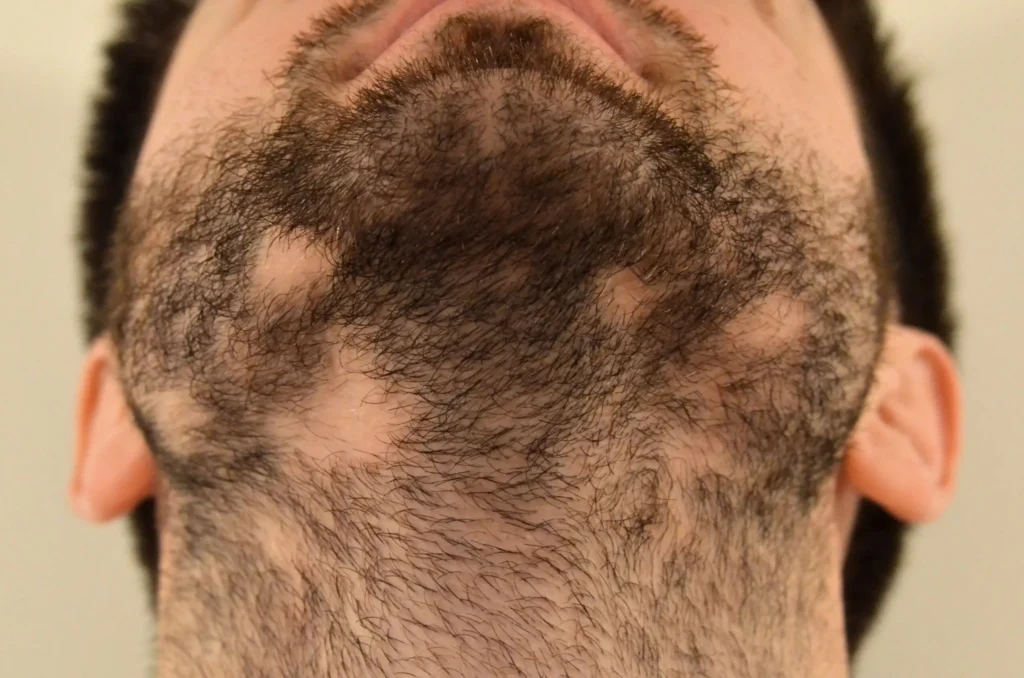
Men with low testosterone However, they may complain of thinning hair on the beard, body, armpits, and around the genitals. In addition, there are cases of men with hypogonadism who have suffered complete loss of hair on the body, head, and face. [18].
TRT improves all other symptoms of low testosterone, but it does not restore or stimulate hair growth on the scalp, precisely because of the negative effect of DHT in this area.
Testosterone injections can improve beard and body hair growth, but in cases of complete hair loss, reversibility depends on the stage and condition of the hair follicle. If the follicle is dead, the hair loss is irreversible.
Source: shutterstock.comReduced bone mass
According to available scientific evidence, both testosterone and estrogen are reduced in men with hypogonadism. [19].
This is because 80% of estrogen in men is produced by the aromatase enzyme, which uses testosterone and converts it into the female sex hormone.
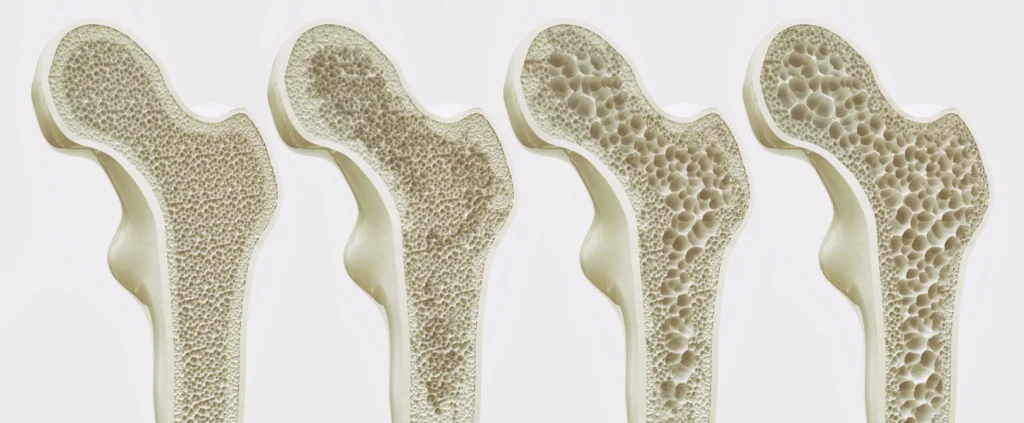
Studies report that both hormones have a positive effect on bone mass and mineral density. [20]. A decrease in both hormones can lead to bone loss and osteoporosis if the condition is left untreated.
Other contributing factors include reduced physical activity and lower muscle mass in men with hypogonadism.
Source: shutterstock.comCauses of low testosterone
Male hypogonadism is associated with two main groups of etiological causes and is accordingly divided into two subtypes – primary or secondary.
Primary hypogonadism is caused by a problem with the testicles that results in their inability to produce testosterone. This can be due to:
- Genetic conditions (Klinefelter syndrome)
- Cryptorchidism (undescended testicles)
- Testicular tumors
- Infections (mumps)
- Treatment procedures including surgery, radiation therapy, or chemotherapy
The testicles are part of an endocrine axis called the hypothalamic-pituitary-gonadal axis (HPG axis). Therefore, the pituitary gland regulates the normal production of testosterone by the testicles.
Secondary hypogonadism occurs when testicular function is preserved, but the pituitary gland no longer stimulates them to produce testosterone.
Ultimately, the lack of stimulation leads to testicular atrophy (and combination with primary hypogonadism). Causes of secondary hypogonadism include:
- Pituitary tumors
- Genetic conditions (Kalmann syndrome)
- Brain injury or infection
- Pituitary apoplexy (infarction or hemorrhage)
- Anorexia
- Long-term therapy with glucocorticoids or opioids
- Treatment including surgery or radiation therapy
- Anabolic steroid abuse
According to studies, long-term anti-inflammatory therapy with glucocorticoids suppresses multiple regulatory hormones produced by the hypothalamus, which suppresses all hormones produced in the hypothalamic-pituitary-gonadal axis and leads to low T [21].
Prolonged opioid therapy, for example for the relief of chronic pain, can suppress the entire axis and also lead to hypogonadism.
Additionally, older men can develop late-onset hypogonadism (andropause), which is associated with declining function of both the testicles and the pituitary gland. The condition is extremely rare and is often overdiagnosed.
Treatment of conditions related to low testosterone
According to official medical recommendations, if your testosterone levels are below 300 ng/dl and the results are confirmed by a second testosterone test (on another day), this indicates that you have low T. [22].
Then, your doctor may order additional tests to determine whether you have primary or secondary hypogonadism.
If you have been diagnosed with hypogonadism, one of the most effective and successful treatments is testosterone replacement therapy (TRT). The therapy delivers exogenous (external) testosterone into your body, with the goal of increasing serum testosterone levels to normal levels.
Exogenous testosterone is synthesized artificially, but after injection it becomes bioidentical to that produced by the testicles in healthy men.
Raising testosterone levels above normal levels through TRT is generally not recommended, as testosterone can also cause side effects.
Use T3T only under the supervision of a doctor. Self-medicating or following online advice increases the risk of side effects and may lead to more health problems than benefits.
The consultation will ensure the safety and effectiveness of your therapy. It will also help you alleviate the symptoms of low testosterone and improve your quality of life as soon as possible!
