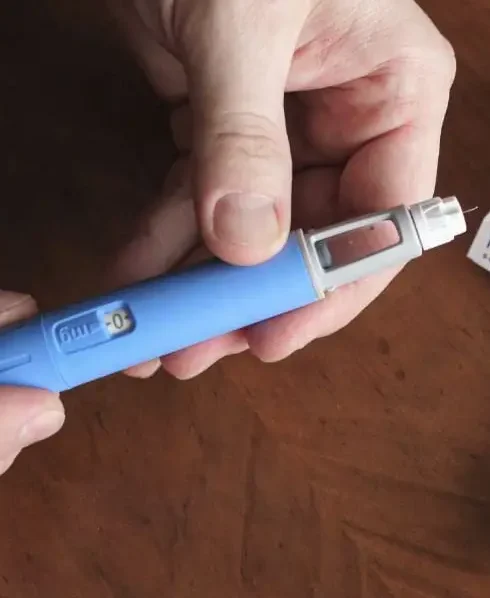
Semaglutide – Weight Loss Drug – Effectiveness and Risks According to Clinical Data
Semaglutide is one of the most studied drugs in its class, and its clinical programs – SUSTAIN, PIONEER, STEP, OASIS, ESSENCE and SELECT – involve tens of thousands of patients worldwide.
This is a drug substance from the class of incretin mimetics, and specifically glucagon-like peptide-1 (GLP-1) receptor agonists, developed by the Danish company Novo Nordisk.
It is available under three trade names, which represent the following:
- Semaglutide pen in doses up to 1mg (subcutaneous injection for the treatment of type 2 diabetes mellitus)
- Semaglutide tablets in doses up to 14mg (oral tablet for type 2 diabetes mellitus).
- Semaglutide pen in doses up to 2.4mg (subcutaneous injection, and now oral tablets for the treatment of obesity)
Medications that guaranteed containing semaglutide, can ONLY be obtained from the pharmacy network after receiving an electronic prescription from qualified doctor,
What is Semaglutide?
Semaglutide is a synthetic analogue of human glucagon-like peptide-1 (GLP-1), a hormone secreted by the L-cells of the small intestine in response to food intake.
It is approved by the US Food and Drug Administration (FDA) and the European Medicines Agency (EMA) for:
- treatment of type 2 diabetes mellitus
- chronic weight management in overweight and obesity
- to reduce cardiovascular events in patients with overweight or obesity and established cardiovascular disease
- for the treatment of liver fibrosis in metabolic-associated steatohepatitis (MASH)
The molecule consists of 31 amino acids and has 94% the same structure as natural human GLP-1, which is produced after a meal. [1],[2].
The 6 percent difference comes from two main modifications:
- At position 8, the alanine has been replaced with alpha-aminoisobutyric acid (Aib), making the molecule resistant to degradation by the enzyme dipeptidyl peptidase-4 (DPP-4). Native GLP-1 is degraded by DPP-4 in less than 2 minutes, while semaglutide is completely resistant to this degradation. [3].
- A C18 fatty diacid chain is attached to lysine at position 26 via a linker. This fatty chain allows semaglutide to bind non-covalently to albumin in blood plasma, which significantly slows its renal elimination and proteolytic degradation. [3].
As a result of these structural modifications, the half-life of semaglutide is approximately 7 days, allowing for once-weekly administration. [1].
This also allows for stable plasma concentrations to be achieved with once-weekly administration, without significant peaks and troughs, as observed with daily administration of shorter-acting agents. [3].
Mechanism of Action of Semaglutide
Semaglutide works by binding to and activating GLP-1 receptors found in the pancreas, brain, heart, liver, kidneys, and gastrointestinal tract. Its main effects include [1],[4]:
- Stimulation of insulin secretion from pancreatic beta cells in a glucose-dependent manner — insulin is released only when blood sugar levels are elevated, which minimizes the risk of hypoglycemia.
- Suppression of glucagon secretion from pancreatic alpha cells, reducing hepatic glucose production.
- Delaying gastric emptying, which reduces postprandial blood sugar peaks and contributes to a feeling of satiety.
- Action on the hypothalamus and brainstem — semaglutide crosses the blood-brain barrier and binds to GLP-1 receptors in the hypothalamus (arcuate nucleus) and area postrema, reducing food cravings, physiological and hedonic appetite, and energy intake.
- Cardioprotective effects — reduces oxidative stress, atherosclerotic inflammation and has direct effects on the myocardium and endothelium, independent of glycemic control.
What is Semaglutide Effective and Approved for?
The SUSTAIN program – treatment of type 2 diabetes
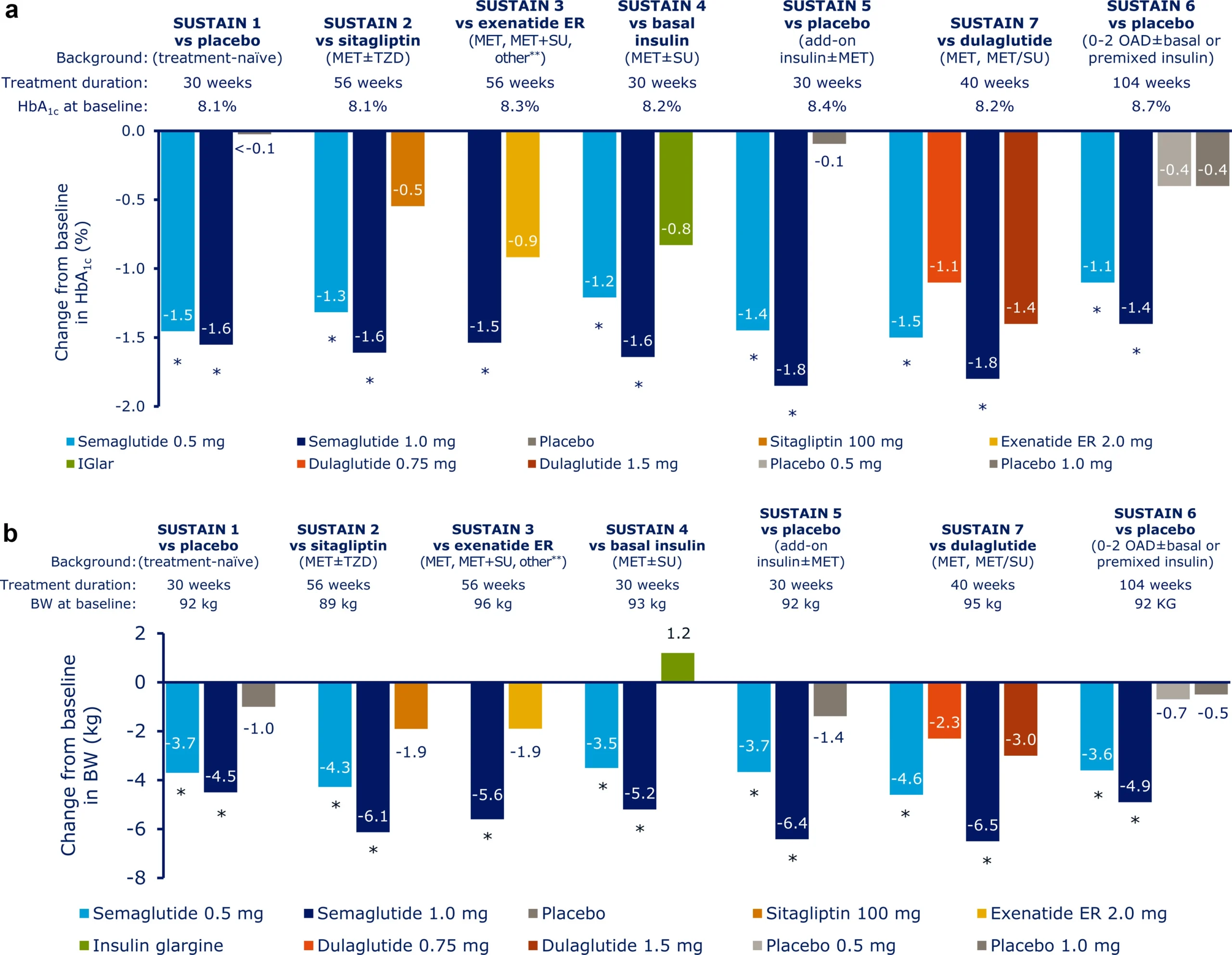
Initially, Semaglutide was studied for the treatment of type 2 diabetes mellitus in the SUSTAIN clinical program (SUSTAIN 1-7), involving over 7,000 patients in multiple randomized clinical trials. [5].
The main results of these studies are related to blood sugar control measured by glycated hemoglobin (HbA1c), and show the following:
- Reduction of HbA1c: semaglutide at a dose of 1 mg/week reduced HbA1c by an average of 1.3-1.8% points from baseline in different studies.
- Weight loss: -3.6-6.5 kg at a dose of 1 mg/week.
- Direct comparisons with other agents in the SUSTAIN program show that semaglutide 1 mg/week is superior to sitagliptin (a DPP-4 inhibitor), other GLP-1 agonists (exenatide and dulaglutide), and insulin in terms of HbA1c reduction.
In a 40-week study involving semaglutide at a dose of 2mg/week, participants with T2DM lost an average of almost 7kg from an average starting weight of around 100kg and had further improvements in blood sugar control. [6].
This leads to the approval of semaglutide in doses up to 2mg/week for the treatment of T2DM.
SUSTAIN-6 – cardiovascular benefits in type 2 diabetes
One of the studies in this program is the SUSTAIN-6 study, which is a randomized, double-blind, controlled trial involving 3,297 patients with type 2 diabetes and high cardiovascular risk who were followed for 104 weeks. [7].
Participants were randomized to receive semaglutide 0.5 mg/week, 1 mg/week, or placebo. The main study outcomes were:
- The risk of death from cardiovascular causes, non-fatal myocardial infarction or non-fatal stroke (MACE) was only 6.61% in the semaglutide group compared to 8.91% in the placebo group (about 261% lower relative risk).
- Most significantly, the relative risk of stroke was reduced by about 391%.
- This led to the approval of semaglutide for cardiovascular risk reduction in patients with T2DM.
An important caveat is that in SUSTAIN-6, a significantly higher incidence of rapid progression of diabetic retinopathy was observed in patients treated with semaglutide.
It is thought that this may be related to too rapid improvement in glycemic control in patients with pre-existing retinopathy. Therefore, ophthalmological monitoring is recommended in patients with diabetic retinopathy.
FLOW – kidney benefits in type 2 diabetes
The FLOW (Flow in Renal Outcomes With Semaglutide) study investigated the effect of semaglutide in patients with chronic kidney disease (CKD) and type 2 diabetes mellitus [8].
Renal outcome data shows:
- 24% risk reduction of the primary renal endpoint (HR 0.76; 95% CI 0.66-0.88; P=0.0003), comprising significant worsening of renal function, renal replacement therapy, or death from renal or cardiovascular causes.
- 29% lower risk of death from cardiovascular causes.
These results are significant for a large population of patients with advanced type 2 diabetes, as renal deterioration is a leading cause of morbidity and mortality in them. [8].
The PIONEER program – oral semaglutide for the treatment of T2DM
In addition to injections, semaglutide is also effective in oral form. This is a significant breakthrough, as peptide molecules are traditionally not sufficiently absorbed after oral administration.
The PIONEER clinical program (PIONEER 1-8) is the one that evaluates the efficacy and safety of semaglutide as the first oral GLP-1 receptor agonist [9].
The studies included different groups of patients with type 2 diabetes mellitus and compared it with placebo and major competing therapies.
The key results of the program show:
- Reduction of HbA1c: Oral semaglutide (at doses up to 14 mg/day) provides a reduction in HbA1c by an average of 1 to 1.5 percentage points, significantly superior to placebo, empagliflozin (SGLT2 inhibitor) and sitagliptin (DPP-4 inhibitor).
- Weight loss: Patients lost an average of between 2.2 and 5.0 kg, with the reduction being more pronounced compared to empagliflozin and sitagliptin.
- Comparison with injectable GLP-1 RA: In the PIONEER 4 study, oral semaglutide (14 mg/day) demonstrated similar efficacy to injectable liraglutide (1.8 mg/day) in terms of glycemic control, and even led to greater weight loss.
- Application in advanced diabetes: In patients on insulin therapy (PIONEER 8) or with kidney damage (PIONEER 5), the drug successfully lowers blood sugar and weight, even allowing a reduction in the total daily insulin dose, reducing the risk of hypoglycemia.
The PIONEER results clearly demonstrate that oral semaglutide provides efficacy comparable to that of injectable preparations, while maintaining a safety profile.
This makes it an excellent alternative for patients who need this treatment but prefer a tablet form over injections.
SOUL – cardiovascular benefits in diabetes with oral semaglutide
The SOUL (Semaglutide cardiOvascular oUtcomes triaL) study was specifically designed to evaluate the cardiovascular efficacy of oral semaglutide (14 mg/day) in patients with type 2 diabetes and established atherosclerosis and/or chronic kidney disease.
The results were published in the New England Journal of Medicine in March 2025. [10].
The study includes:
- A total of 9650 participants aged ≥50 years with type 2 diabetes and HbA1c 6.5-10%, with at least one of: coronary artery disease, cerebrovascular disease, symptomatic peripheral arterial disease, or chronic kidney disease.
- Randomized 1:1 to oral semaglutide 14 mg/day or placebo.
- Median follow-up of about 49.5 months (about 4 years).
Results:
- The risk of death from cardiovascular causes, non-fatal myocardial infarction or non-fatal stroke (MACE) was 12.01% in the semaglutide group (579/4825) versus 13.81% in the placebo group (668/4825), which is equivalent to a 141% relative risk reduction.
- Serious adverse events were 47.91% for semaglutide versus 50.31% for placebo—i.e., fewer with treatment.
- Gastrointestinal disorders: 5.0% for semaglutide versus 4.4% for placebo.
SOUL is an important addition to existing data as it confirms that the cardiovascular benefit of GLP-1 receptor agonists also applies to the oral form of semaglutide — not just the injectable form. This is a significant clinical finding as oral administration is preferred by many patients [10].
The STEP program – obesity treatment with semaglutide as a weight loss injection
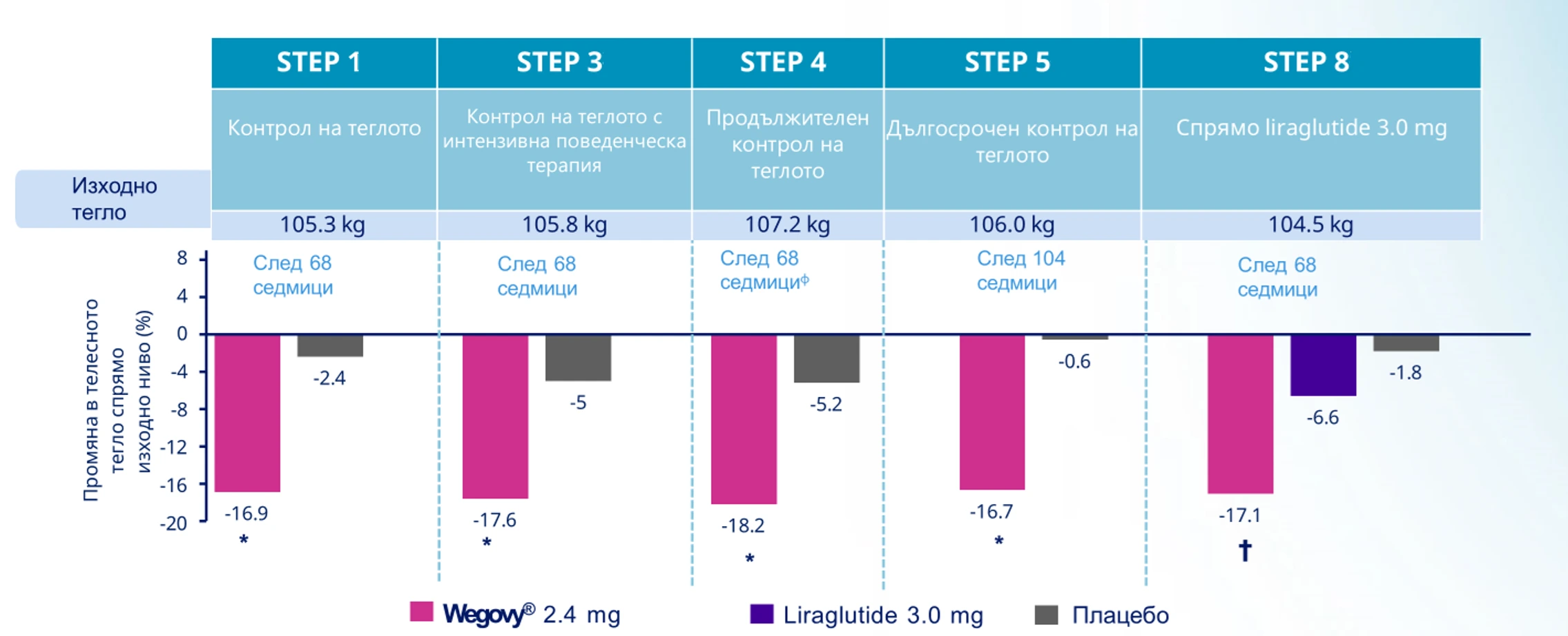
The weight loss medication containing semaglutide was approved based on data from the STEP clinical program.
It provides large-scale and conclusive evidence for the efficacy of injectable semaglutide at a dose of 2.4 mg/week in the medical treatment of obesity, combined with lifestyle changes.
The key results from the individual studies clearly outline the drug's profile and effectiveness in long-term therapy:
- STEP 1 (Non-diabetic patients): The study included 1961 adults with a BMI ≥30 kg/m2 or ≥27 kg/m2 and comorbidity. Over 68 weeks, semaglutide resulted in a mean weight reduction of −14.9% (−15.3 kg) versus −2.4% with placebo, with 86.4% of those treated losing at least 5% of their weight and 50.5% achieving more than 15% reduction from baseline. [11].
- STEP 2 (Patients with type 2 diabetes): In 1210 participants with a specific metabolic profile, efficacy remained high, although expectedly more modest compared to those without diabetes. A mean reduction of −9.6% was reported compared to −3.4% with placebo, with 68.8% of semaglutide patients achieving ≥5% weight loss compared to 28.5% in the control group [12].
- STEP 4 (Weight Maintenance): Examines the effect of stopping treatment after an initial 20-week period with a mean weight loss of −10.6%. Patients switched to placebo after this period rapidly regained +6.9%, while those continued on semaglutide achieved a further reduction of −7.9% for a total loss of −17.4%, which is related to the chronic nature of obesity and the need for ongoing treatment [13].
- STEP 5 (Long-term efficacy over two years): The study followed 304 patients for 104 weeks. Results showed that the reduction achieved in the first year was maintained, ending with a mean reduction of −15.2% versus −2.6% for placebo, strongly confirming the long-term benefits of continued use of the drug [14].
The OASIS Program — Oral Semaglutide as Weight Loss Pills
In parallel with the STEP program, Novo Nordisk is conducting the OASIS (Oral Semaglutide Treatment Effect in People with Obesity) clinical program, investigating the efficacy of oral semaglutide at a higher dose of 50 mg/day for the treatment of obesity.
OASIS 1 is the main study, which was published in The Lancet and included 667 adults with a BMI ≥30 kg/m² or ≥27 kg/m² with at least one weight-related condition but without diabetes mellitus.
Participants were randomized 1:1 to oral semaglutide escalated to 50 mg/day or placebo for 68 weeks [15].
The results:
- Mean weight reduction: -15.1% with oral semaglutide 50 mg versus -2.4% with placebo (difference -12.7 percentage points; 95% CI -14.2 to -11.3; P<0.0001).
- 85% of participants achieved ≥5% reduction compared to 26% on placebo.
- 69% achieved ≥10% reduction versus 12% on placebo.
- 54% achieved ≥15% reduction versus 6% on placebo.
- 34% achieved ≥20% reduction versus 3% on placebo.
It is particularly noteworthy that oral semaglutide 50 mg/day achieves comparable efficacy to injectable semaglutide 2.4 mg/week — the results from OASIS 1 are practically very similar to those from STEP 1, despite the fundamentally different route of administration.
Gastrointestinal adverse reactions were more common (80% in active treatment), but mostly mild to moderately severe.
The more recent OASIS 4 study investigated a lower dose of 25 mg/day oral semaglutide in 307 non-diabetic participants for 64 weeks. [16].
The results showed a mean weight reduction of -13.6% compared to -2.2% with placebo. This is again a clinically significant result, but 25mg/day also appears to be a more tolerable dose compared to 50mg/day.
For this reason, semaglutide tablets are approved for the treatment of obesity in doses up to 25mg/day.
SELECT – Cardiovascular Benefits in Obesity WITHOUT Diabetes
The SELECT (Semaglutide Effects on Cardiovascular Outcomes in People with Overweight or Obesity) study is the first study in the world to demonstrate that a GLP-1 receptor agonist reduces cardiovascular risk in patients with overweight or obesity, but WITHOUT diabetes mellitus. [17].
Study characteristics:
- A total of 17,604 participants with established cardiovascular disease and a BMI above 27 kg/m², but without diabetes.
- Participants were randomized to receive semaglutide 2.4 mg/week subcutaneously or placebo.
- The average follow-up was 39.8 months.
Results:
- Primary endpoint (MACE): 6.5% in the semaglutide group versus 8.0% in placebo, which is equal to a -20% relative risk reduction.
- All-cause mortality -19% relative risk reduction.
- Heart failure -18% relative risk reduction.
These results mean that semaglutide reduces cardiovascular mortality not only by improving glycemic control (since patients do not have diabetes).
Instead, it most likely exerts its beneficial effects through mechanisms related to anti-inflammatory effects, weight loss, improvement in blood pressure, and direct cardioprotective effects of GLP-1 receptor activation. [17].
For this reason, semaglutide is the first weight loss medication that is also approved for reducing the risk of cardiovascular disease.
Essense – Semaglutide for the treatment of fatty liver and steatohepatitis with fibrosis
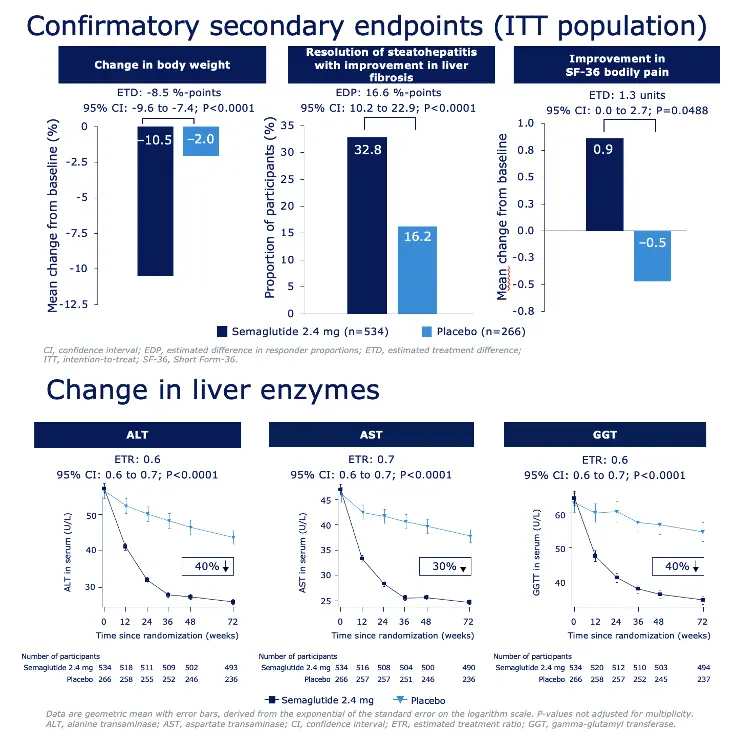
ESSENCE is an international, multicenter, double-blind, placebo-controlled study in which 1197 patients with biopsy-proven steatohepatitis (MASH) and stage 2 or 3 fibrosis were randomized 2:1 to semaglutide 2.4 mg subcutaneously once weekly or placebo for 240 weeks [18].
According to current data from the first 800 patients, 72 weeks of therapy achieved resolution of steatohepatitis without worsening fibrosis in 62.91% of patients on semaglutide versus 34.31% on placebo.
Reduction of liver fibrosis without worsening of steatohepatitis was recorded at 36.8% versus 22.4% on placebo.
The combined outcome – simultaneous resolution of steatohepatitis and improvement of fibrosis – was achieved at 32.7% versus only 16.1% with placebo.
The average weight loss was -10.5% with semaglutide versus -2.0% with placebo.
For this reason, on August 15, 2025, the FDA approved semaglutide for the treatment of adults with moderate to advanced liver fibrosis (stage F2–F3), making it the second approved therapy for steatohepatitis after the drug resmetirom.
Results from the second part of ESSENCE, which will track clinical endpoints such as mortality, liver transplantation and cirrhosis, are pending and will clarify whether histological improvement translates into real clinical benefit in the long term.
How is Semaglutide dosed?
Semaglutide dosing follows the principle of titration, whereby the dose is increased slowly to minimize gastrointestinal adverse reactions. The dosing regimen depends on the indication and the product.
Semaglutide for type 2 diabetes mellitus
This type of semaglutide is administered subcutaneously once a week on the same day of the week:
- 0.25 mg once a week for 4 weeks.
- 0.5 mg once a week for a minimum of 4 weeks.
- If better glycemic control is needed: increase to 1.0 mg once weekly for continued treatment.
- The maximum approved dose of EAL is 2.0 mg once weekly, but it is not available in Bulgaria.
Any of these doses can be a maintenance dose, depending on the effect of the medication.
Oral semaglutide for type 2 diabetes mellitus
It is very important to take the medication. morning on an empty stomach and with LITTLE amount of water (up to 100 ml), at least 30 minutes before the first intake of food, drinks or other medications.
The dosage regimen is:
- 3 mg once daily × 30 days.
- 7 mg once daily for at least 30 days or continued treatment.
- If better control is needed: 14 mg once daily.
Again, any of these doses can be a maintenance dose, depending on the effect of the medication.
Semaglutide injections for weight management
Semaglutide is administered subcutaneously once weekly on a titration schedule:
- 0.25 mg/week × 4 weeks
- 0.5 mg/week × 4 weeks
- 1.0 mg/week × 4 weeks
- 1.7 mg/week × 4 weeks
- 2.4 mg/week (maintenance dose)
The full range of Semaglutide dosages for weight loss is available in Bulgaria. Again, any of these doses can be a maintenance dose, depending on the effect of the medication..
Semaglutide tablets for weight management

Again, any of these doses can be a maintenance dose, depending on the effect of the medication.
This medication is not currently available in Bulgaria.
Adverse Reactions and Safety
Semaglutide has been well studied for safety in numerous large clinical trials. Adverse reactions are predominantly gastrointestinal and are more pronounced at the very beginning of therapy. [19].
Most Common Adverse Reactions
Data from the STEP and OASIS programs using semaglutide at the highest doses show similar frequencies.
Specifically, data from the STEP 1 study with injectable semaglutide at a dose of 2.4/week showed the following frequencies of adverse reactions: [11]:
- Nausea: ~44%
- Diarrhea: ~30%
- Vomiting: ~24%
- Constipation: ~24%
The incidence of discontinuation due to adverse reactions in STEP 1 was ~71% in the semaglutide group versus ~31% in placebo.
It is important to note that gastrointestinal adverse reactions are mostly transient and decrease after dose stabilization.
They are dose-dependent, which is why slow dose escalation (every 4 weeks or even more) is essential. [19].
Based on data from the OASIS 1 clinical trial (oral semaglutide 50 mg/day), the frequency of the most common side effects is as follows: [15]:
- Nausea: ~42%
- Constipation: ~26%
- Diarrhea: ~22%
- Vomiting: ~18%
In total, approximately 80% of patients on active treatment reported at least one gastrointestinal adverse reaction (compared to 46% in the placebo group), but in the vast majority these complaints were mild to moderate and occurred primarily during the dose escalation period.
Rare but Serious Adverse Reactions (Rare)
Pancreatitis and cholelithiasis
- The risk is real, especially at the beginning of therapy. Pancreatitis has been reported in clinical trials with a frequency of about 0.1-0.31%, and gallstones are more common – in about 1-31% of patients.
- These side effects occur with significant and abrupt weight loss – the liver secretes an increased amount of cholesterol in the bile, which promotes the formation of sediment and/or stones. The stones inflame the bladder, and the sediment can contribute to inflammation of the pancreas. These side effects are observed with sudden weight loss for any reason, incl. due to crash dieting or bariatric surgery. It is also possible that the drug itself slows down peristalsis.
- For effective prevention, therapy should be monitored by a physician who will monitor progress weekly during the first few weeks, when weight loss is most rapid. The dose should be titrated to maintain an initial rate of approximately 11 to 3 pounds of weight loss per week.
- It is also important to maintain adequate fat intake (about 20-25 g per meal), as their complete exclusion further suppresses biliary motility.
Dehydration
- The medication suppresses not only the desire for food, but also for fluids. This can lead to dehydration, especially in cases combined with vomiting or diarrhea. Acute dehydration also carries a risk of acute kidney injury in patients with chronic diseases and advanced age.
Muscle Mass Loss
- Significant weight loss with any method is associated with some loss of muscle mass. It is recommended to combine treatment with a protein diet (1.2-1.6 g protein/kg body weight) and regular weight training to maintain muscle tone.
Warnings and Contraindications for Semaglutide
- Thyroid C-cell tumors: Thyroid C-cell tumors have been observed in laboratory animals (rodents) treated with GLP-1 receptor agonists. This association has not been confirmed in humans, but semaglutide is contraindicated in patients with a history of medullary thyroid carcinoma or MEN 2 (multiple endocrine neoplasia type 2). [4].
- Vision loss in diabetics: ophthalmological monitoring is recommended in patients with diabetes and pre-existing retinopathy, especially with rapid improvement in glycemic control, based on data from SUSTAIN-6 [7].
- Vision loss in non-diabetics: In addition, there is evidence from a retrospective cohort study (including over 16,000 patients) that semaglutide and other GLP-1 agonists are associated with an increased risk of non-arteritic anterior ischemic optic neuropathy (NAION), a condition in which the blood supply to the optic nerve is disrupted, leading to sudden and painless loss of vision. The cumulative incidence of the disease over a 3-year period was 6.71% in the semaglutide group compared with 0.81% in the control group, with the highest number of cases occurring in the first year of treatment. It is important to note that although the relative risk is significantly increased, NAION itself remains very rare in the general population (occurring in about 2 to 10 per 100,000 people). Because the study was observational, it only proves a statistical association. The exact risk factors are not yet clear. [20].
Contraindications
- History of medullary thyroid carcinoma or MEN 2
- Hypersensitivity to semaglutide or any of the ingredients of the preparation
- Pregnancy (termination is recommended at least 2 months before a planned pregnancy)
Semaglutide storage
Proper storage of semaglutide is important to maintain its efficacy.
Storage recommendations:
- Unopened pen: store in a refrigerator at 2°C-8°C until the expiration date.
- After first use: can be stored for up to 28 days at room temperature below 30°C.
- Do not freeze. If the preparation is frozen, it should not be used.
- Keep out of direct sunlight.
- Don't shake it.
- Unopened pens removed from the refrigerator can be used within 28 days if stored below 30°C.
A recent EMA regulatory decision allows the transport of injectable semaglutide at temperatures up to 30°C for up to 48 hours – an important convenience for patients travelling or transporting the medicine over longer distances [1].
How to get Semaglutide for weight loss?
Genuine semaglutide can only be obtained from the pharmacy network after you receive a prescription for it from a qualified doctor.
Products labeled "semaglutide" that are sold online are NOT original products and often contain less effective peptides, such as liraglutide.
Sometimes they may not contain an active ingredient at all or it may be completely different from what is written on the label.
The sale, purchase and possession of such products purchased online are illegal and violate both Bulgarian law and Novo Nordisk's patent rights.
If you found this article helpful, feel free to follow me on social media for more evidence-based content.