Tirzepatide - How Does it Work and How Effective it is?
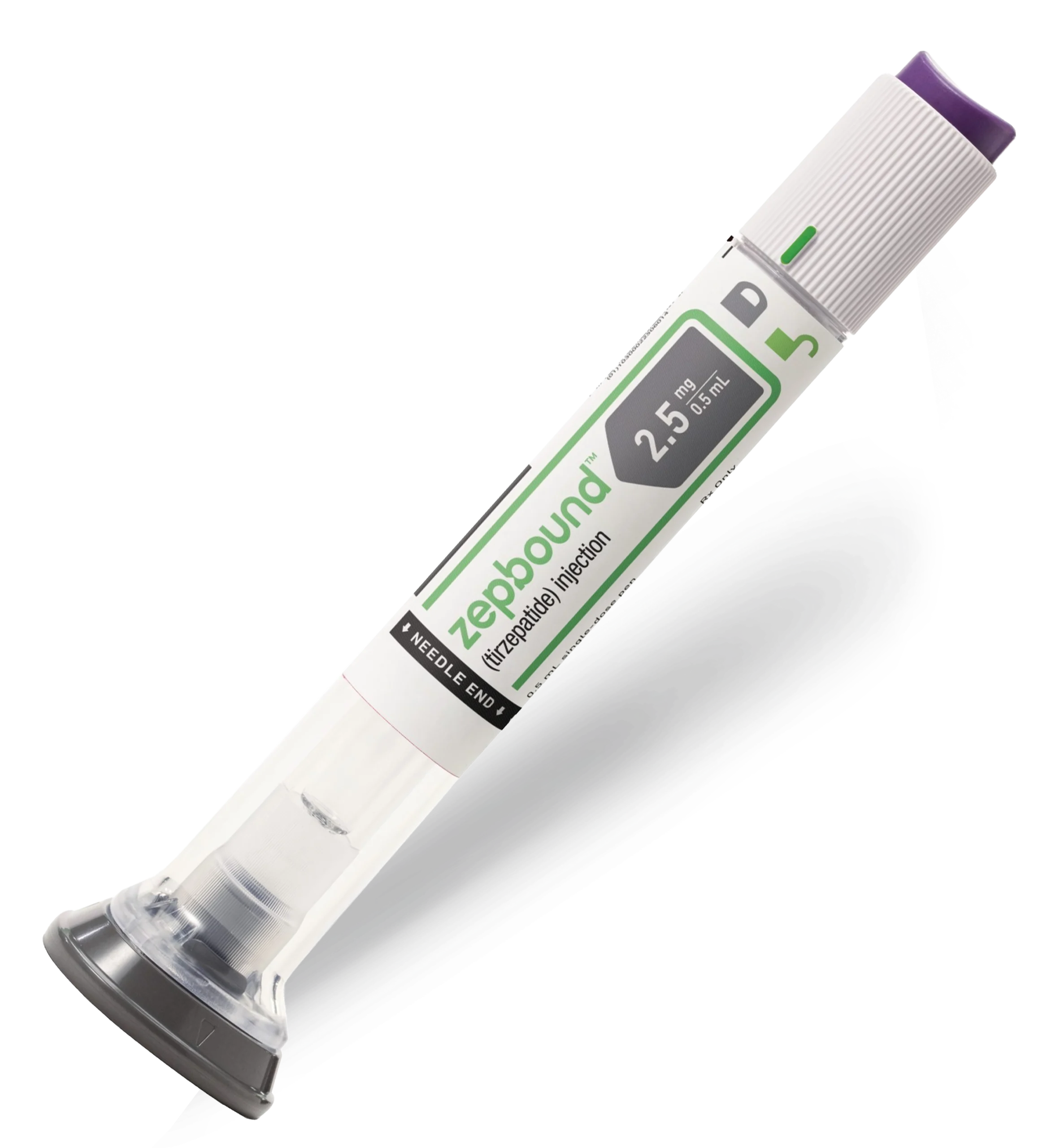
Tirzepatide is the active ingredient in weight loss and diabetes injections known in Europe under the trade name Mounjaro and in the US as Zepbound.
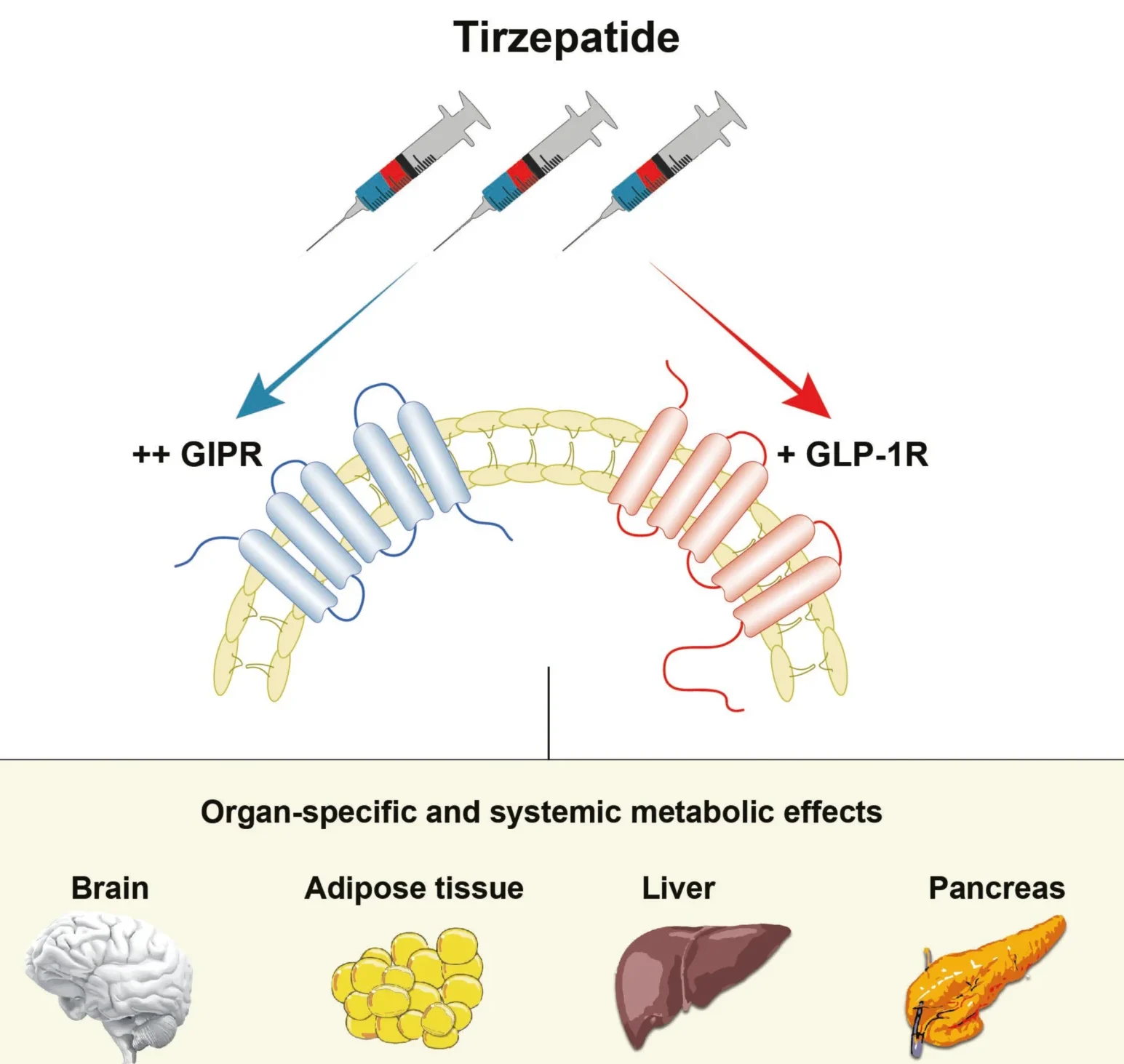
This is the world's first registered dual incretin agonist that simultaneously activates the receptors of two different intestinal hormones responsible for appetite and glucose control.
Tirzepatide is released only by prescription (electronic prescription).
Therapy requires assessment of indications, exclusion of contraindications, and follow-up by a qualified and experienced doctor to issue an electronic prescription and monitor the progress of treatment.
What is tirzepatide?
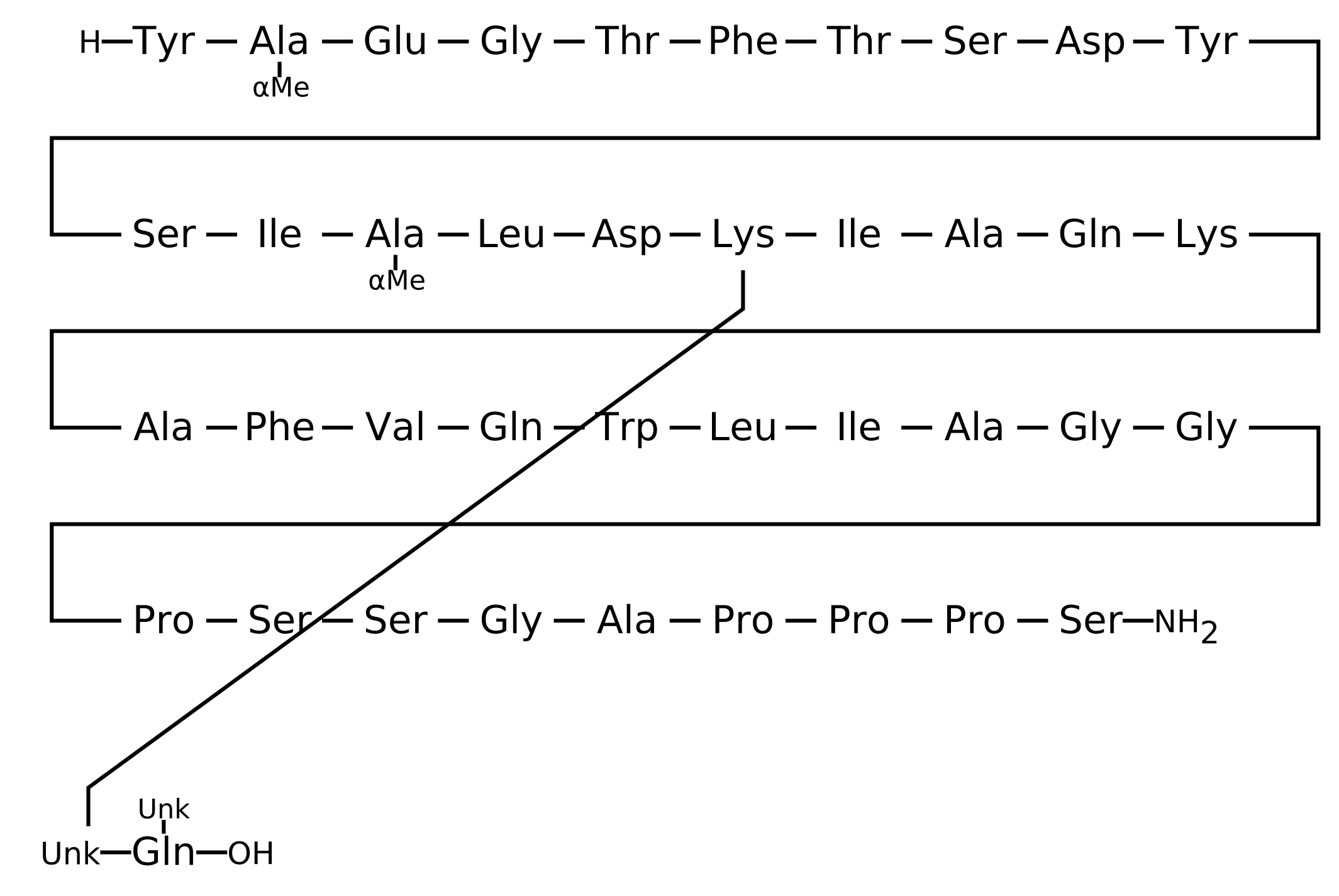
Tirzepatide is a synthetic peptide developed by the American company Eli Lilly & Co. The molecule consists of 39 amino acids arranged in a sequence that also resembles sections of two human hormones:
- glucose-dependent insulinotropic polypeptide (GIP)
- glucagon-like peptide-1 (GLP-1)
Both hormones are secreted primarily by endocrine cells of the small intestine in response to food intake.
They stimulate insulin production and participate in appetite regulation, but their natural effect is extremely short-lived, as they are broken down within minutes of their release. [1],[2].
Tirzepatide mimics both hormones, but is engineered to resist rapid degradation.
A 20-carbon fatty acid (C20) is attached to the amino acid chain, which allows binding to albumin in the blood and extends the half-life to about five days.
This is also the reason why the injection is only given once a week. [3],[4].
Due to the shorter half-life of 5 days compared to other GLP-1 agonists, in some patients it is appropriate to administer tirzepatide twice a week, with the weekly dose divided into two.
Mechanism of action of tirzepatide
Prolonged activation of GLP-1 and GIP receptors in various tissues leads to several parallel effects:
- Modulation of hunger (hypothalamus) and appetite (mesolimbic system) centers in the brain: affects hunger, as well as the specific desire – the appetite for certain foods (most often high-calorie and highly processed).
- Glucose-dependent stimulation of insulin secretion and suppression of glucagon: the effect occurs primarily with elevated blood sugar, which explains the low risk of hypoglycemia with monotherapy.
- Effects on adipose tissue: GIP signaling is thought to enhance fat mobilization and alter the sensitivity of GLP-1 receptors, further potentiating the overall outcome.
The data show that dual receptor activity gives synergistic, and not just a sum effect: appetite suppression and blood sugar control are superior to those of medications acting only through GLP-1, such as Ozempic and Wegovy [5],[6].
An interesting pharmacological feature is that tirzepatide has a higher affinity for GIP than for the GLP-1 receptor, and the GLP-1 receptor is activated primarily via the cAMP pathway, with relatively little β-arrestin engagement. [7].
In practice, this means less pronounced desensitization of the receptor, i.e. the effect does not "exhaust" the signaling pathway.
Strong GIP activation probably explains the pronounced increase in adiponectin – a signaling molecule involved in the regulation of lipid and glucose metabolism – observed in some studies. [8],[9].
Increased adiponectin levels correlate with both better weight loss and lower cardiovascular risk [10].
What is tirzepatide approved for?
Since Eli Lilly is an American company, the first regulatory decisions come from the US Food and Drug Administration (FDA). The timeline of approvals and key scientific events looks like this:
Year | Event |
2016 | Eli Lilly granted patent for the molecule tirzepatide |
2022 | FDA approves tirzepatide for type 2 diabetes (T2D) based on the SURPASS program under the trade name Mounjaro [1] |
2022 | On September 15, the European Medicines Agency (EMA) issued an EU-wide marketing authorization [11] |
2023 | FDA approves tirzepatide for weight loss under the SURMOUNT program under the trade name Zepbound, an identical product with a different name [12] |
2024 | On December 20, the FDA approved Zepbound for moderate to severe obstructive sleep apnea (OSA) in obesity. It is the first drug to treat the cause, not just the symptom. [13] |
2024 | EMA considers that a separate indication for OSA in the EU is not necessary because the cases are already covered by the weight control indication; data from SURMOUNT-OSA are included in the product information [14] |
2025 | The CHMP at the EMA gave a positive opinion on the extension of the diabetes indication to adolescents and children aged 10 years and older, which was finally approved by the European Commission in April 2026. [15] |
2026 | FDA expands Mounjaro (tirzepatide) indication to reduce cardiovascular risk in patients with type 2 diabetes. Approval based on results from SURPASS-CVOT trial [16]. |
The current European indications for tirzepatide are:
- Poorly controlled T2DM as an adjunct to diet and exercise, as monotherapy in case of intolerance or contraindications to metformin, or in combination with other antidiabetic agents. After the 2026 decision, the indication also covers patients aged ≥10 years.
- Weight control (reduction and maintenance) for BMI ≥30 kg/m², or for BMI ≥27 to <30 kg/m² with at least one weight-related comorbidity [11]. For example:
- Hypertension
- Dyslipidemia
- obstructive sleep apnea
- cardiovascular disease
- prediabetes or T2DM.
How effective is tirzepatide for weight loss?
The evidence comes from the SURMOUNT program, a series of phase 3 studies comparing the drug to placebo and other weight loss drugs. [17].
The main indicator is the percentage of the initial weight that patients lose, and some studies also examine how much of it is regained after stopping.
SURMOUNT-1
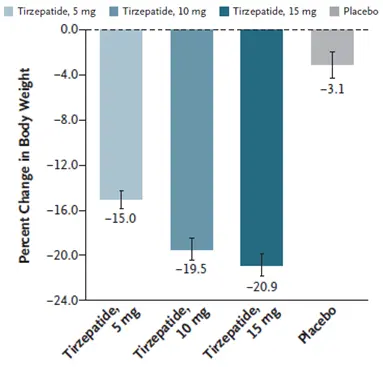
The results are published in The New England Journal of Medicine and include more than 2,500 participants on a placebo or one of three doses of tirzepatide. Over 72 weeks:
- 5 mg/week results in an average reduction of about −15%
- 10 mg/week results in −19.5%
- 15 mg/week results in −20.9%
Note that the difference between 10 and 15 mg is less than one and a half percentage points, which is important from a practical point of view. [18].
SURMOUNT-2
The study included 938 people who were both obese and had T2DM. In T2DM, weight loss is traditionally more difficult. The results, published in The Lancet, showed a mean weight loss of −12.81 TP3T (−12.7 kg) at 10 mg/week and −14.71 TP3T (−14.6 kg) at 15 mg/week, compared with −3.31 TP3T (−3.2 kg) with placebo. [19].
SURMOUNT-4
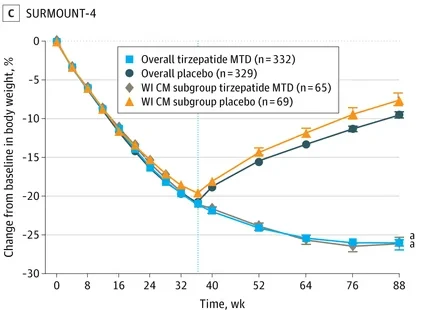
This is the longest study in the program, lasting 88 weeks, and also yielded the highest values: an overall reduction of over −25% from baseline weight in those continuing therapy.
The dynamics are indicative: during the first 36 weeks, participants lost an average of −20.9% (about −22.4 kg), after which those who continued with tirzepatide lost another −5.5% by week 88.
Those who switched to placebo regained an average of +14% (about +12 kg) over the same period.
It is worth noting that 16.61% of those who discontinued therapy maintained their achieved weight without regaining the weight. [20].
SURMOUNT-5
This is the only direct comparison with semaglutide that includes 10 and 15 mg tirzepatide versus the highest doses of Wegovy (1.7 and 2.4 mg). Over 72 weeks, tirzepatide resulted in a −20.2% mean reduction versus −13.7% for semaglutide [21].
How long does it take to lose weight with tirzepatide?
The weight loss curve is steep at the beginning and gradually flattens out, but in some patients it continues to decline until week 88. The most significant reduction occurs during the first 6-8 months, similar to semaglutide preparations. [20].
The practical conclusion is that tirzepatide is not a "course" of several weeks, but a long-term therapy for a chronic disease, which, as with hypertension, stops and returns to baseline, unless sustainable habits and lifestyle changes have been established during this time.
What other benefits does tirzepatide have?
Tirzepatide in type 2 diabetes
The first approval of the molecule was for T2DM. The effect is due to a combination of mechanisms: stimulation of insulin secretion through GLP-1 and GIP receptors, suppression of glucagon, and reduction of fat mass, which improves insulin sensitivity.
The first five studies from the program SURPASS compared 5, 10 and 15 mg tirzepatide with placebo, semaglutide 1 mg/week and insulin [22]. In summary:
- All doses reduced glycated hemoglobin (HbA1c) by about 2-2.51T3T below baseline.
- Even the 5 mg/week dose achieves results comparable to semaglutide 1 mg/week and insulin regimens.
- At 15 mg/week, the reduction in HbA1c was 1.66-2.11% greater than placebo, about 0.5% better than semaglutide 1 mg, 0.9% better than insulin degludec, and 1.0% better than insulin glargine. [23],[24],[25],[26],[27].
Tirzepatide for obstructive sleep apnea (OSA)
In people with obesity and OSA, tirzepatide acts in several ways: it reduces visceral and peripharyngeal adipose tissue (which limits upper airway collapse during sleep), reduces systemic inflammation (hsCRP) and blood pressure.
The program SURMOUNT-OSA includes two 52-week, randomized, double-blind phase 3 studies. One in patients without CPAP and the other in patients on continuous CPAP therapy.
In both, participants were randomized to tirzepatide at the maximum tolerated dose (10 or 15 mg/week) or placebo. The primary outcome was the apnea/hypopnea index (AHI), which reflects the number of breathing stops per hour of sleep.
At baseline of approximately 50 events/hour, at week 52, tirzepatide reduced IAH by −25.3 events/hour in the non-CPAP group and −29.3 events/hour in the CPAP group, compared with only −5 to −6 events/hour for placebo. This corresponds to a 51-63% reduction in OSA severity. In parallel, participants lost −17.7% and −19.6% of weight compared with −1.6% and −2.3% for placebo. [28].
Significant improvements were also reported in hypoxic load (−61 to −70%), systolic blood pressure (−3.7 to −7.6 mmHg), and hsCRP. The most common adverse reactions were gastrointestinal (diarrhea 26%, nausea 25%, vomiting 17%), mostly mild to moderate, and discontinuations due to adverse events were less than 5% in both arms.
Tirzepatide and the heart: what SURPASS-CVOT showed
This is the most significant new evidence and deserves more detailed commentary because the result is more nuanced than most observers expected.
SURPASS-CVOT is the first cardiovascular study in the incretin class with an active control instead of placebo.
It was published in The New England Journal of Medicine on December 17, 2025 and included 13,165 patients with T2DM and established atherosclerotic cardiovascular disease, randomized to tirzepatide (up to 15 mg or maximum tolerated dose) versus dulaglutide 1.5 mg, the latter being a drug with already proven cardiovascular benefit.
Median follow-up was about 4 years; mean age 64 years, mean BMI 33, mean HbA1c 8%, mean duration of diabetes 15 years.
The results:
- Primary endpoint (cardiovascular death, myocardial infarction or stroke): 12.2% vs 13.1%, HR 0.92 (95.3% CI 0.83-1.01). Non-inferiority criterion met (p=0.003), but superiority was not demonstrated (p=0.09) [29].
- All-cause mortality: 8.6% vs 10.2%, HR 0.84 (95% CI 0.75-0.94) in favor of tirzepatide, but as an exploratory/secondary endpoint, without control for type I error [16].
- Tirzepatide is superior to dulaglutide in terms of HbA1c, weight, blood pressure, lipid profile, and eGFR dynamics.
- The overall incidence of adverse events was similar; gastrointestinal events were more common with tirzepatide.
GLP-1 signaling favorably influences blood pressure and myocardial function, and probably also indirectly on inflammation and endothelial dysfunction. [30].
In a 26-week study in type 2 diabetes, tirzepatide improved lipoprotein biomarkers associated with insulin resistance and cardiovascular risk [31].
Based on the results of SURPASS-CVOT, In 2026, the FDA expanded the indications for Mounjaro (tirzepatide) to reduce cardiovascular risk in patients with T2DM.
Currently, Mounjaro (tirzepatide) is approved for cardiovascular risk reduction only in patients with T2DM. In people WITHOUT T2DM, the only approved incretin mimetic for cardiovascular risk reduction is semaglutide.
Tirzepatide in heart failure (SUMMIT)
The study SUMMIT studied 731 obese patients with heart failure with preserved ejection fraction (HFpEF), where treatment options are limited. At a median follow-up of 104 weeks:
- The composite endpoint of cardiovascular death or worsening heart failure: 9.9% vs 15.3%, HR 0.62 (95% CI 0.41-0.95; p=0.026).
- Worsening heart failure alone: HR 0.54 (0.34-0.85).
- Quality of life (KCCQ-CSS) improved by 19.5 versus 12.7 points, and the distance in the 6-minute walk test improved by 26.0 versus 10.1 meters.
- Weight reduction: −13.9% vs −2.2%; hsCRP: −38.8% vs −5.9% [32].
Based on these results, the EMA considered in January 2026 an application for an indication in HFpEF with obesity, but did not approve a separate testimony, indicating uncertainty about whether the effect is independent of weight loss.
Tirzepatide in metabolic liver disease (MASH)
Phase 2 study SYNERGY-NASH included 190 patients with biopsy-confirmed MASH and fibrosis stage 2 or 3. At week 52, resolution of MASH without worsening fibrosis was achieved in 43.6% (5 mg), 55.5% (10 mg) and 62.4% (15 mg) vs. 9.8% on placebo. Improvement in fibrosis by at least one stage was observed in approximately 51-55% vs. 29.7% on placebo (nominal p-values) [33].
This is promising, but it is still in phase 2 and accordingly tirzepatide is not approved for MASH and its use for this purpose would be outside the permitted indications.
How is tirzepatide dosed?
The dosing regimen is the same for diabetes and weight control and is clearly defined by both the FDA and EMA [17],[18].
Tirzepatide is only effective when administered subcutaneously. The long half-life (about 5-6 days) allows for injection once a week, on the same day.
It is mandatory to start with 2.5 mg/week for at least 4 weeks, and longer use is possible. This dose is for adaptation, not for a therapeutic effect.
The dose is then increased in steps of +2.5 mg, with each new dose administered at least 4 weeks before the next increase:
Dose | Period |
2.5 mg/week (starting dose) | weeks 1-4 (starting) |
5 mg/week (therapeutic) | weeks 5-8 |
7.5 mg/week (therapeutic) | weeks 9-12 |
10 mg/week (therapeutic) | weeks 13-16 |
12.5 mg/week (therapeutic) | weeks 17-20 |
15 mg/week (therapeutic) | from the 21st week |
A few important clarifications:
- Increasing the dose is not mandatory after week 4. If the effect is good and well tolerated, you can stay at a lower dose, with 5 and 10 mg being perfectly valid maintenance doses.
- The dose should not be increased before at least 4 injections of the current level have been given.
- Doses above 15 mg/week are not used, as there is no safety data.
- The minimum interval between two injections is 3 days. A missed dose can be administered within 4 days (96 hours); then wait until the next scheduled day, without doubling.
- All registered doses are now available in Bulgaria, including 12.5 and 15 mg/week, so titration to the maximum dose is practically possible.
If after purchasing a pen with a higher weekly dose, side effects occur that require a reduction, it is not necessary to immediately purchase a new pen with a lower dose. The pens allow for partial dosing by counting the clicks of the mechanism when winding.
The exact correspondence between clicks and milligrams depends on the concentration of the specific pen and should be clarified with the attending physician. An error here means double the dose or half the dose.
Risks and side effects of tirzepatide
In 2023, researchers pooled data from most phase 3 trials to outline the safety profile. The meta-analysis included about 7,000 participants and found a clear dose-response relationship, with most reactions occurring at the start of therapy and with each dose increase. [34].
Overall frequency of adverse reactions by dose:
- 5 mg/week – 39% of participants
- 10 mg/week – 46%
- 15 mg/week – 49%
The most common mild and transient reactions at 15 mg/week:
Reaction | Frequency |
Nausea | 24% |
Diarrhea | 21% |
Burping | 16% |
Abdominal bloating | 16% |
Abdominal discomfort | 15% |
Vomiting | 14% |
Constipation | 9% |
Indigestion | 9% |
Abdominal pain | 8% |
Elevated pancreatic enzymes | 7% |
Serious reactions are rare, with all patients in the studies recovering completely: allergic reactions around 3%, cholecystitis and pancreatitis below 1%. The overall incidence of serious adverse events varies between 5 and 7% depending on the dose.
Is tirzepatide safe?
The majority of adverse reactions affect the gastrointestinal tract, which is typical for the entire incretin class. The main reason is a transient delay in gastric emptying and peristalsis, which is most pronounced at the beginning and with each dose increase. Precisely because the mechanism is adaptive, the symptoms usually subside.
However, between 7 and 131% of participants discontinued therapy due to adverse reactions. [34]. In most cases, it is nausea and diarrhea, which can be significantly limited by slower titration, smaller and more frequent meals, and reducing fat in portions.
Several issues deserve separate attention:
- Gallbladder and pancreas. Gallbladder and pancreatic problems are possible, but it should be known that they are also observed with rapid weight reduction without medication. Periodic monitoring and careful control of the pace of weight loss allows early identification of risk cases.
- Loss of muscle mass. A direct consequence of reduced food intake. Prevention is adequate protein intake (usually 1.6 g/kg target weight or more) and, most importantly, resistance training. Without them, a significant portion of the weight lost is pure muscle mass.
- Thyroid gland and carcinoma. The data on C-cell tumors in rodents are not confirmed in humans; currently available evidence suggests that such a risk in humans is unlikely.
- Retinopathy. In diabetics, temporary blurred vision may occur as a result of rapid improvement in glucose control. This is usually transient, but evaluation by an ophthalmologist is necessary in the presence of proliferative retinopathy.
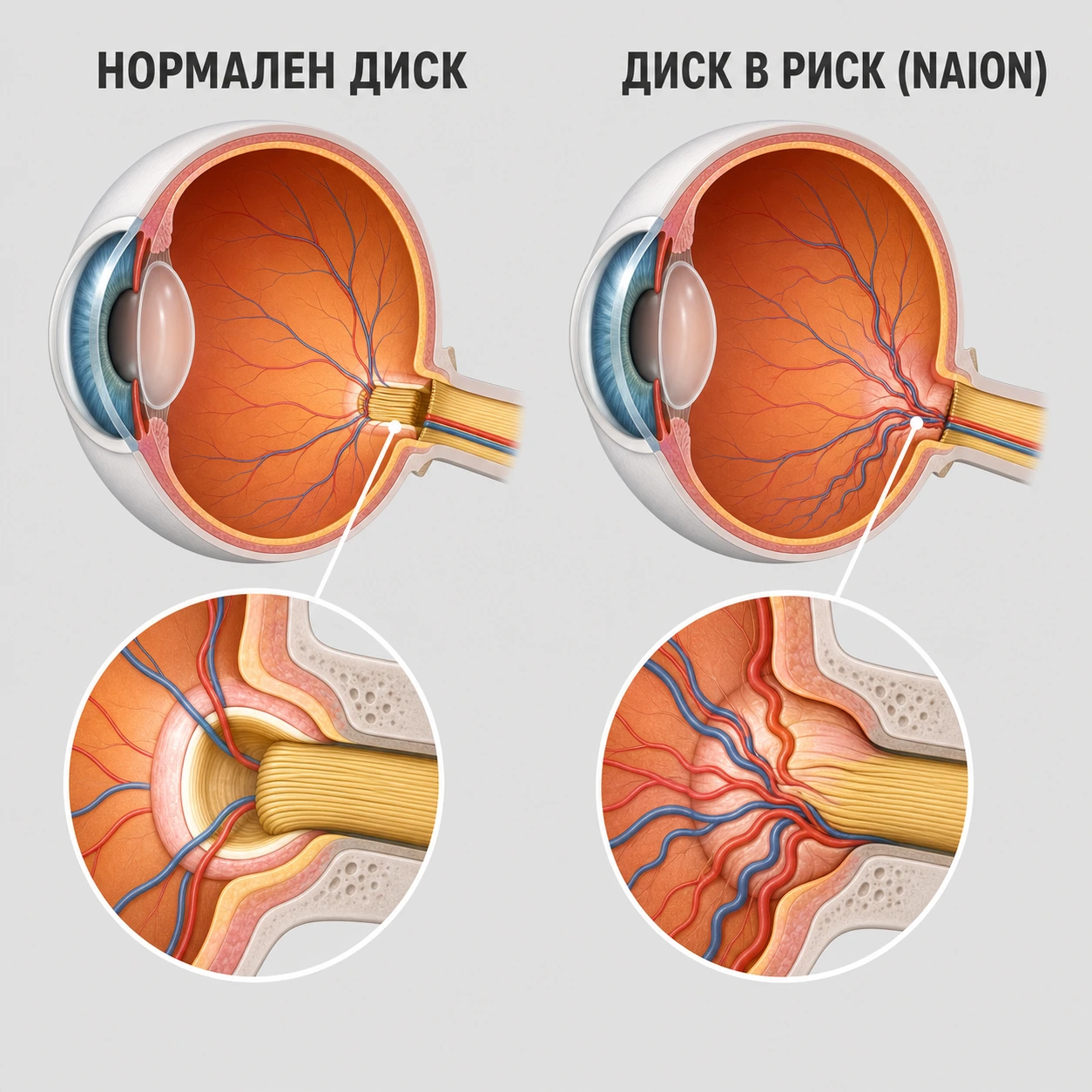
- Blindness. Rare cases of non-arteritic anterior ischemic optic neuropathy (NAION), which is a sudden, painless, usually unilateral loss of vision, most often found on awakening from sleep, have been reported with tirzepatide and semaglutide. Data for tirzepatide are primarily based on analysis of adverse drug reaction data (FAERS) and pooled cohorts with semaglutide. [35]. The risk appears to be highest during the first 6-12 months of therapy and is probably related to the rapid metabolic and hemodynamic changes (decrease in blood pressure and blood sugar) rather than direct neurotoxicity. An important risk factor is the presence of a rare anatomical feature – a small optic disc, in which the central depression in the disc itself (the area where there is no nerve tissue but vessels pass through) is very small. [36].
- Hypoglycemia. The risk is low with monotherapy, but increases when combined with sulfonylureas or insulin. In such cases, their doses often need to be reduced.
How is tirzepatide stored?
Tirzepatide is available as a ready-to-use solution in a pre-filled pen, available only with a prescription. Excipients (including sodium phosphate and metacresol) stabilise the solution and prevent the growth of microorganisms, allowing multiple use of a single pen for more than four weeks after opening.
- Store in a refrigerator at 2°C to 8°C until expiration date.
- After first use, the pen can be kept at room temperature up to 30°C for up to 28 days. Refrigeration after opening is preferred and will extend this shelf life.
- Do not freeze. Discard frozen solution.
- Do not shake, hit or expose the pen to direct sunlight or heat as this denatures the peptide and reduces the amount of active substance.
- Before each injection, inspect the solution: it should be clear to slightly yellowish, free of particles and sediment.
How is tirzepatide given?
Tirzepatide is only effective when administered subcutaneously. Any other route of administration is pointless, as the peptide is degraded.
Where is it injected?
Suitable sites include the abdominal wall (at least 5 cm from the navel), the upper outer thigh, and the back of the upper arm. The abdomen is preferred because the subcutaneous layer is thickest there and discomfort is least; injection into the arm usually requires assistance from another person.
The site is rotated by at least 1-2 cm every week to avoid local lipodystrophy. Avoid areas with damaged, red, irritated or infected skin.
Injection steps
You need cotton or swabs and 70% ethyl alcohol.
- Remove the pen from the refrigerator and inspect the solution.
- Clean the selected area with an alcohol swab and wait for the skin to dry.
- In the meantime, set the dose, remove the protective cap and insert the needle. The needle has two caps – remove both.
- Insert the needle at a right angle (90°) to the skin and press the injection button. Hold the button for at least about 5-6 seconds, until the dose is fully administered.
- Remove the pen and gently press the area with a swab without massaging.
- Place the large needle cap on, unscrew it and discard it safely.
- Put the protective cap back on the pen.
Slight redness, swelling or discomfort at the injection site is possible, which passes quickly. If a small bump forms, the injection was given too superficially, it disappears within 24 hours and there is no evidence that this reduces effectiveness.
How long can tirzepatide be taken?
Clinical data cover over 88 weeks of continuous use in weight management and approximately 4 years in SURPASS-CVOT in diabetics, with no signal of new risks with extended therapy.
The main effect on blood sugar and weight occurs in the first months (around 32 weeks), but maintaining the result requires continued treatment or building sustainable habits.
What is the price of tirzepatide in Bulgaria?
By 2026, all registered doses will be available in the Bulgarian pharmacy network: 2.5, 5, 7.5, 10, 12.5 and 15 mg/week. The medication not paid by NHIF and is only available with an electronic prescription.
Indicative marginal prices for a 4-dose pen (one month of therapy):
Dose | Approximate price |
2.5 mg | about €206 (≈403 BGN) |
5 mg | about €273 (≈535 BGN) |
7.5 mg | about €381 (≈746 BGN) |
10 mg | about €381 (≈746 BGN) |
12.5 mg | about €475 (≈929 BGN) |
15 mg | about €475 (≈929 BGN) |
The data are from public price lists of Bulgarian pharmacies and may vary between pharmacies. For comparison, this is 2-5 times the price of Ozempic (in doses of 0.25, 0.5 or 1 mg/week) and about twice that of Wegovy.
It is worth noting that patent protection will not last forever: in July 2026, the FDA accepted the first applications for generic tirzepatide in an autoinjector. However, real price reduction in Europe will be years away.
A separate clarification, since the question is asked frequently: a tablet form of tirzepatide does not exist and is not in a late stage of development.
Oral preparations approved by 2026 contain other molecules (oral semaglutide, orforglipron) rather than tirzepatide. Any „tirzepatide tablet“ offered online is an unregulated product with unknown content.
Doctor's opinion: who is tirzepatide suitable for?
Tirzepatide is effective and has a good safety profile when used according to medical indications and under regular monitoring by a specialist. It is currently the most potent weight loss medication available on the Bulgarian market, and its safety profile is comparable to that of semaglutide.
A few practical highlights from my practice:
- Gastrointestinal symptoms are expected, most severe at the beginning, and manageable with slow titration. They are not a reason to stop therapy, but a reason to not rush the doses.
- Patients with a history of pancreatitis or gallbladder disease require increased caution and more frequent monitoring.
- There is no clinical evidence that tirzepatide causes thyroid disease, carcinoma, or renal impairment. The incidence of these events is consistent with that in the placebo groups.
- Most importantly, tirzepatide should be combined with a diet rich in fruits and vegetables, adequate protein intake, and strength training. This not only enhances the results, but also prevents muscle loss.
Tirzepatide is a tool, not a solution. It makes achievable what, in the case of significant obesity, is rarely achieved by willpower alone – but what remains after therapy depends on the habits formed during it.
— Dimitar Marinov, MD, PhD
