Weight Loss with Wegovy - The Complete Guide
Wegovy is a weight loss drug that is available only by prescription. It contains semaglutide – the same peptide that is contained in Ozempic.
The only difference is that under the name Wegovy, the medication is marketed specifically for weight loss and is available in pens with a higher dosage.
As of 2026, Wegovy is approved in doses up to 7.2mg per week. In other words, “Wegovy is Ozempic's older brother”
Wegovy for weight loss is approved in Europe for:
- Weight loss in people who are overweight (+ associated disease) or obese
- Weight loss in obese children over 12
- Reducing the risk of cardiovascular events in overweight people who already have a history of previous events
Wegovy affects these problems primarily through its effect on appetite, which leads to a significant reduction in calorie intake.
This, in turn, leads to weight loss, reduced inflammation, and improvement in a number of biochemical indicators.
Therapy with Wegovy is possible only after consultation with qualified and experienced doctor who can issue an electronic prescription and to monitor the treatment.
In this article you will find the most up-to-date information regarding the effectiveness, safety, recommended dosage, and method of administration of Wegovy.
What is Wegovy?
Wegovy, as well as Ozempic and Ribesus, are trade names of medications manufactured by the Danish pharmaceutical company Novo Nordisk. [1].
All three drugs are available only by prescription and contain the active ingredient semaglutide, a synthetic peptide developed by Novo Nordisk in 2012.
Semaglutide is a synthetic version of glucagon-like peptide-1 (GLP-1). Accordingly, Wegovy, Ozempic, and Ribesus belong to a class of drugs known as GLP-1 receptor agonists (GLP-1-RAs). [1].
The semaglutide molecule consists of 31 amino acids and shares 94% similarity to the active form of the human GLP-1 hormone (7-37) [2], [3], [4].
GLP-1 is an incretin hormone that is released from the gut after a meal. Like other incretins, it plays a key role in regulating blood sugar and appetite. [1].
Semaglutide has high affinity for GLP-1 receptors and possesses structural modifications that provide greater stability and a significantly longer half-life – about seven days – compared to about 2 minutes for natural GLP-1. [3],[4].
What is Wegovy approved for?
Vegovi is approved as safe for use by both the US Food and Drug Administration (FDA) and the European Medicines Agency (EMA).
This comes after the active ingredient semaglutide was already approved for the treatment of diabetes under the trade names Ribelsus and Ozempic (Ozempic was approved for diabetics in 2017 by the FDA and 2018 by the EAL) [5].
Under the trade name Wegovy, the drug received approval in the following chronological order: [5], [6], [7]:
- In 2021, Wegovy was approved by the FDA in doses up to 2.4 mg weekly by the FDA for weight loss and weight control in adults with a BMI of 30 kg/m² or more (obese) or a BMI of at least 27 kg/m² but less than 30 kg/m² (overweight) who have weight-related health problems.
- In 2023, the FDA also approved it for the treatment of adolescents aged 12-17 years whose BMI is equal to or higher than the 95th percentile for their age and gender (which is an indicator of obesity) and who weigh more than 60 kg.
- In mid-2023, the EMA also approved the drug, simultaneously for both of the above indications.
- In 2024, Wegovy was approved by the FDA and later by the EMA to reduce the risk of cardiovascular death, heart attack, and stroke in adults who are overweight or obese and have cardiovascular disease. It is the first weight loss drug also approved to reduce cardiovascular risk. The decision was based on results from the SELECT trial, which showed a 20% reduction in the risk of major cardiovascular events [8].
- In 2026, Wegovy was approved for the above-mentioned indications and in higher doses, reaching 7.2 mg on week.
How does Wegovy work for weight loss?
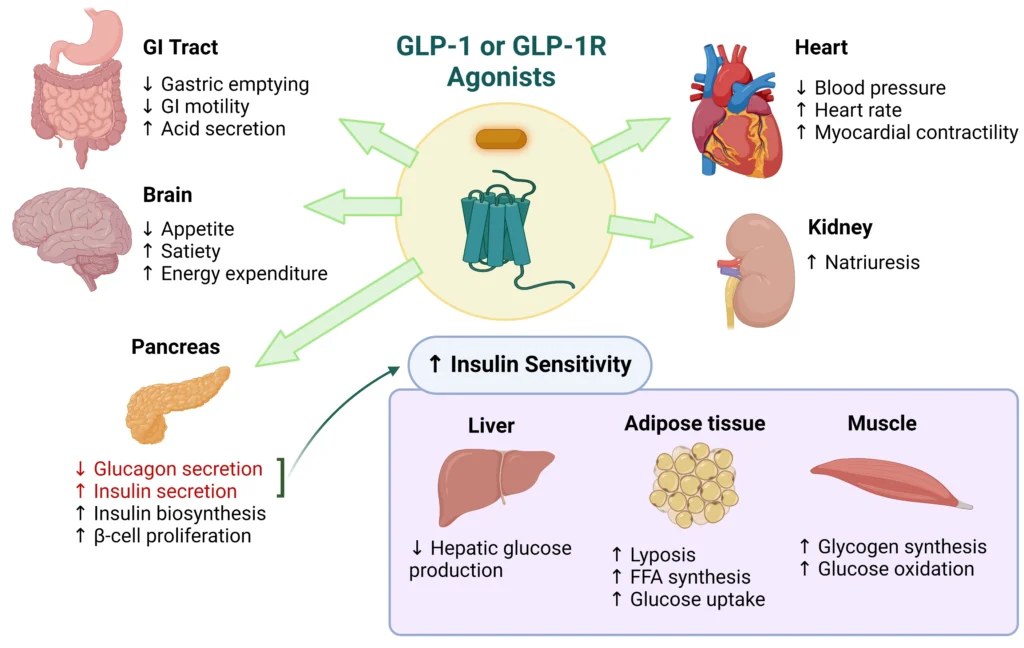
The theory behind Wegovy's effectiveness is that the active ingredient semaglutide activates GLP-1 receptors throughout the human body, including in the brain, gastrointestinal tract, pancreas, heart, and other organs. [9].
Activation of receptors in the brain is thought to be the main reason semaglutide, and therefore Wegovy, can permanently suppress hunger. Specifically, these receptors are located in the hypothalamus - the center that regulates feelings of hunger and satiety. [10].
GLP-1 receptors in the gut are also activated, which stimulates the release of another hormone called peptide YY.(3-36) from endocrine cells in the small intestine. It further enhances the feeling of satiety [11], [12].
Additionally, activation of GLP-1 receptors in the stomach and bile slows peristalsis. Studies have shown that the effect is to delay gastric emptying after a meal by about 38% [11].
In addition to reduced food cravings, this also leads to earlier satiety during meals - and therefore even lower calorie intake.
Unfortunately, it is this slowed digestion and peristalsis that is also associated with the most common side effects – gastrointestinal problems.
The active ingredient in Vegovi – semaglutide – can also stimulate the release of insulin, but only at high blood sugar levels, such as those observed in diabetes. [3].
In other words, Vegovi does not cause insulin release at normal blood sugar levels.
Is Wegovy effective for weight loss?
Clinical studies also demonstrate that Wegovy is effective for weight loss, primarily showing a significant reduction in appetite and calorie intake.
A small study involving 72 obese people showed that Wegovy (dosed to a maximum dose of 2.4mg/week for 20 weeks) resulted in appetite suppression and a reduction in calorie intake by 35%, without the drug being combined with a diet or patients being given nutritional recommendations [13].
This alone results in almost 10% average weight loss in people on Vegovi, versus no change in people on placebo.
It is important to note here that Wegovy should be combined with nutritional recommendations and regular physical activity., to further increase the benefits while reducing the risk of some side effects.
This is also demonstrated by the clinical program called STEP (Semaglutide Treatment Effect in People with Obesity), which consists of over 10 large studies. [14], [15], [16].
Wegovy was approved for use in weight loss based on the results of the first few studies in this program, and newer studies in the program are also investigating the possibilities of even higher doses of Vegovi for weight loss.
Here are the results of only some of the most significant studies in the program:
STEP-1
STEP-1 is the first and largest clinical trial in the STEP series, involving 1,961 participants who were overweight or obese but without diabetes [17].
The results show that 2.4 mg/week of Wegovy for 68 weeks resulted in an average of 14.91% weight loss from baseline.

With a starting weight of over 100 kilograms, almost all patients have a clinically significant weight loss of 5%, half lose over 15 kg (15% of 100 kg) in one year, and one third lose over 20 kg in one year.
140 of the participants underwent additional testing using a DEXA scanner to assess whether the weight loss was just fat or also “lean body mass.” The results showed significant loss of both, but mainly fat loss. [18].
STEP-4
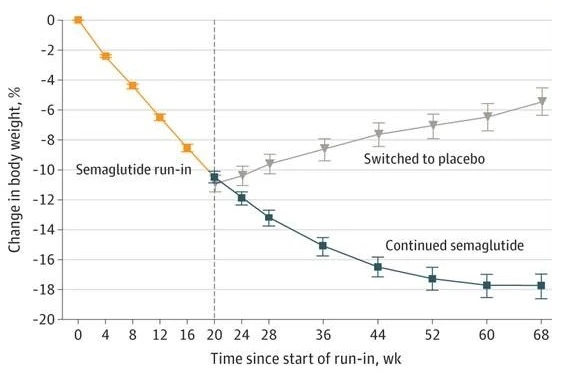
STEP-4 included 902 participants who initially took Wegovy at a dose of 2.4 mg per week for 20 weeks [19].
During the first 20 weeks, participants lost about 10.61% of their weight. Given that the starting weight was about 107kg, that's almost 11kg.
After this period, the volunteers were divided into two groups – one continued with the treatment, and the other switched to placebo for the remaining 48 weeks.
After a total of 68 weeks, participants who continued with Wegovy reported a total weight loss of an average of -17.4%. This equates to a total of about -18 kg over 68 weeks.
Unlike them, those switched to placebo experienced weight gain again with +6.9% or +6 kg in 48 weeks, resulting in a NET loss of only an average of -5% (about -5-6 kg) [19].
STEP-5
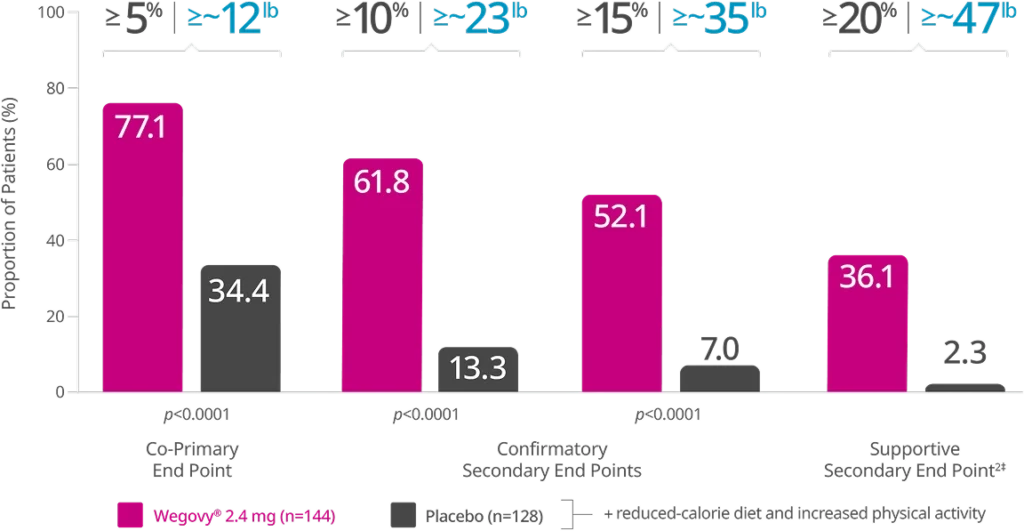
STEP-5 is the longest from the STEP studies and continued for 104 weeks at a dose of 2.4 mg per week. The study confirmed a good safety profile, with no serious adverse events.
Weight loss was progressive over the first 60 weeks and remained stable until the end of Wegovy treatment. The mean weight loss over 2 years of therapy compared to placebo was -12.61% from baseline. [20].
Over 3/4 of participants lose at least 5% of their starting weight, and 1/3 lose over 20%:
STEP-8
The study represents direct comparison between Wegovy (semaglutide 2.4 mg once weekly) and Saxenda (liraglutide 3.0 mg once daily) within 68 weeks [21].
The results show that Wegovy leads to significantly greater average body weight loss – 15.8%, compared to 6.4% with liraglutide.
This highlights the higher effectiveness of Wegovy over Saxenda in the long-term treatment of overweight and obesity.
STEP TEENS
STEP TEENS is the first large-scale study investigating the effect of Wegovy (semaglutide 2.4 mg weekly) in adolescents aged 12–17 years overweight or obese [22].
All participants underwent a 12-week initial phase with lifestyle changes, after which 201 people were randomized (in a 2:1 ratio) to receive Wegovy or placebo for 68 weeks, with an additional 7 weeks of follow-up.
After 68 weeks, Wegovy leads to an average reduction in BMI of -16.1%, compared to +0.6% with placebo (difference of -16.7 percentage points). Over 73% of Vegovi participants lose at least 51% of their body weight, and 37% achieve a loss of over 20% [22].
In addition, treatment is associated with significant improvement in cardiometabolic markers (waist, HbA1c, total and LDL-cholesterol, triglycerides, ALT), as well as with better self-esteem, measured by the IWQOL-Kids questionnaire.
STEP UP
These are two new studies in the clinical program that investigate a higher dose of semaglutide – 7.2 mg per week – in adults with obesity, with or without type 2 diabetes [23],[24].
As of 2026, this dose is also approved for the treatment of obesity and reduction of cardiovascular risk in overweight patients.
STEP UP included 1407 participants with BMI ≥30, without diabetes, randomized in a 5:1:1 ratio to semaglutide 7.2 mg, 2.4 mg, or placebo, for a period of 72 weeks [23].
Participants receiving 7.2 mg achieved an average weight loss of -18.7%, compared to -15.6% at 2.4 mg and only -3.9% at placebo.
A significant reduction in waist circumference was also observed at 7.2 mg compared to placebo (-11.7 cm).
In terms of side effects, gastrointestinal adverse reactions were more common at 7.2 mg (70.8%), compared to 2.4 mg (61.2%) and placebo (42.8%) – i.e. the dose carries a higher incidence compared to the standard injectable form.
Furthermore, a significantly higher incidence of dysesthesia was observed at 7.2 mg (22.9% vs. 6.0% at 2.4 mg and only 0.5% at placebo) – a side effect not typically associated with lower doses.
Dysesthesia is a subjectively unpleasant or painful sensation that occurs spontaneously or with light touch. It is often described as burning, itching, insect crawling, electric shock, or tightness under the skin.
However, serious adverse events were less frequent with 7.2 mg (6.8%) than with 2.4 mg (10.9%), and comparable to placebo (5.5%).
STEP UP T2D
The parallel study STEP UP T2D included 512 adults with type 2 diabetes and BMI ≥30, randomized in a 3:1:1 ratio to semaglutide 7.2 mg, 2.4 mg, or placebo, again for a period of 72 weeks [24].
The mean weight loss at 7.2 mg was -13.2%, compared to -10.4% at 2.4 mg and -3.9% with placebo. HbA1c levels also decreased significantly by a mean of -1.5% compared to placebo.
The reduction in waist circumference was also significant, with a difference of -6.5 cm compared to placebo. Side effects were the same and were observed with 53.1% at 7.2 mg, similar to 51.5% at 2.4 mg.
Serious adverse events were about 91% in each group, with no increased risk of hypoglycemia at the higher dose.
SELECT and the Wegovy advantage for cardiovascular risk
In addition to the STEP program, we have already mentioned SELECT – a study based on which in 2024 Wegovy became the first weight loss medication approved by the FDA to reduce the risk of cardiovascular death, heart attack and stroke in adults with pre-existing cardiovascular disease + overweight or obesity [8].
The SELECT study is the largest to date to evaluate Cardiovascular effect of semaglutide 2.4 mg (Wegovy) in patients overweight or obese, but without diabetes.
They participate in it 17,604 people aged ≥45 years with already established cardiovascular disease and BMI ≥27. Participants were assigned 1:1 to Vegovy 2.4 mg weekly or placebo, with follow-up continuing. on average almost 40 months.
Results [8]:
- Wegovy reduces the risk of heart attack, stroke or cardiac death by 20% compared to placebo (6.5% vs. 8.0%; HR: 0.80; p<0.001).
- This means that one serious cardiac event was prevented for every ~66 patients treated.
In addition, in 2026, scientists published an analysis of some of the SELECT participants, which examined the effect specifically in participants with a high risk of significant liver fibrosis, determined by the Fibrosis-4 index (FIB-4).
In participants with FIB-4 ≥1.3 (regardless of age) the reduction in cardiovascular events was even higher – 26%. And with FIB-4 >2.67 it reaches 34%, although the latter result does not reach statistical significance due to the small subgroup.
In other words, the higher the risk of fibrosis, the greater the cardiovascular benefit of semaglutide, which places liver involvement as an important modifier of the effect.
Essence
This is a standalone phase 3 study directly targeting liver pathology [25].
ESSENCE is an international, multicenter, double-blind, placebo-controlled study in which 1197 patients with biopsy-proven steatohepatitis (MASH) and stage 2 or 3 fibrosis were randomized 2:1 to semaglutide 2.4 mg subcutaneously once weekly or placebo for 240 weeks.
The current results include a planned interim analysis at 72 weeks in the first 800 randomized patients.
Regarding the primary endpoints: resolution of steatohepatitis without worsening fibrosis was achieved in 62.9% of patients on semaglutide vs. 34.3% with placebo.
Reduction of liver fibrosis without worsening of steatohepatitis has been reported in 36.8% against 22.4% with placebo.
The combined result – simultaneous resolution of steatohepatitis and improvement of fibrosis – was achieved in 32.7% against barely 16.1% with placebo.
The average weight loss was -10.5% with semaglutide versus -2.0% with placebo.
On August 15, 2025, the FDA approved semaglutide for the treatment of adults with moderate to advanced liver fibrosis (stage F2–F3), making it a the second approved therapy for steatohepatitis after the drug resmetirom.
Results from the second part of ESSENCE, which will track clinical endpoints such as mortality, liver transplantation and cirrhosis, are pending and will clarify whether histological improvement translates into real clinical benefit in the long term.
OASIS 4 – Wegovy as a diet pill
In July 2026, Wegovy was approved as a weight loss pill based on the results of OASIS 4 [26].
This is a 64-week phase 3b study evaluating the efficacy and safety of Wegovy as a weight loss pill at a dose of 25 mg once daily in 307 adults with a BMI ≥30 or ≥27 with at least one weight-related comorbidity, without type 2 diabetes.
Participants were randomized in a 2:1 ratio to oral semaglutide at doses up to 25 mg (n=205) or placebo (n=102), with a mean baseline weight of 106 kg and a mean BMI of 38 kg/m².
In terms of weight reduction, the semaglutide group achieved a mean weight loss of -13.6% versus -2.4% for placebo. With full adherence, weight loss reached -16.6% for semaglutide versus -2.7% for placebo.
The proportion of participants achieving ≥5% reduction was 76.3% in semaglutide versus 31.3% in placebo, and ≥20% weight loss – 34.4% versus only 2.9% in fully adherent participants.
In addition to weight reduction, semaglutide demonstrates beneficial effects on a number of cardiometabolic indicators – waist circumference, blood pressure, LDL-cholesterol and triglycerides.
Of particular significance is the fact that over 701% of participants with prediabetes at baseline had normalized blood glucose levels by the end of the study.
In terms of safety, the most common adverse reactions are gastrointestinal – nausea, vomiting and diarrhea – consistent with the known profile of semaglutide.
It is also interesting that again, serious adverse events were less frequent with Wegovy (3.9%) than with placebo (8.8%).
As of 2026, there are four dosage forms of Veg tablets on the market: 1.5 mg, 4 mg, 9 mg, and 25 mg.
What are the side effects of Wegovy?
The most common side effects of Wegovy are related to the digestive system, which is typical of all GLP-1 receptor agonists. [27].
The largest study published to date with 1961 participants is STEP-1 in two groups – 1306 people taking the drug and 655 on placebo. [17].
74.21% of people on Wegovy (about 969 people) in this study reported gastrointestinal complaints, compared to 47.91% on placebo.
The most common symptoms in the group of 1,306 people taking the medication included:
- Nausea (44.2%)
- Diarrhea (31.5%)
- Single or multiple vomiting (24.8%)
- Constipation (23.4%)
- Bloating and indigestion (10.3%)
- Abdominal pain (10.0%)
Common, but unrelated to the medication, were upper respiratory tract infections and headaches – seen in both groups.
Some more serious side effects have also been reported: 23 cases of gallstones (cholelithiasis) and 3 cases of acute pancreatitis. These were mild to moderate in severity and resolved without complications. [17].
The most serious, although extremely rare, side effect of the medication is non-arteritic anterior ischemic optic neuropathy (NAION).
This is a sudden, painless disruption of the blood supply to the optic nerve, which can lead to partial or complete loss of vision in the affected eye.
This is a confirmed but very rare side effect, affecting up to 1 in 10,000 patients on semaglutide. Possible risk factors are dose and presence of uncontrolled diabetes. high blood pressure.
The strongest predisposing factor, however, remains an anatomical feature of the optic disc, known as a "crowded" or "at-risk" disc.
This is a condition of a congenitally small disc with a low cup/disc ratio, which an ophthalmologist can detect early on during a routine fundus examination. According to available data, this anatomical feature is a stronger risk factor even than systemic conditions such as diabetes or hypertension.
Is Wegovy safe – contraindications?
It should be borne in mind that there are specific contraindications to the use of Vegovi, which include:
- History of thyroid cancer
- Multiple endocrine neoplasia type 2 (MEN 2)
- Pregnancy
- Breastfeeding
There is insufficient data on safety in pregnant or breastfeeding women, so Wegovy is not recommended during breastfeeding.
For now, the recommendation is that pregnant women avoid taking it, as animal studies suggest that GLP-1 receptor agonists can reduce the size of the embryo and cause congenital abnormalities. [17].
There are currently no such cases in humans.
Patients with a history of thyroid cancer or MEN 2 syndrome should not take Wegovy, as data from rat studies show an increased risk of C-cell thyroid carcinoma at high doses of Wegovy. [27].
This risk has not been confirmed in humans.
Based on the available data, Wegovy is considered a medicine with a good safety profile, with the risks observed in animals not confirmed in humans.
What They Don't Tell You About Wegovy?
Despite the excellent safety profile and proven effectiveness of the medication for appetite suppression and weight reduction, there are certain risks and features that often remain under-discussed - both by many doctors and in accessible and reliable sources online.
These are the risks of losing muscle mass, as well as regaining weight after the end of therapy.
Both risks are completely preventable when Wegovy is combined with a proper diet and exercise regimen.
How many kilos come back after stopping Wegovy?
КAs already mentioned, the STEP-4 study revealed that after stopping therapy at week 20, which is almost immediately after reaching the maximum dose of 2.4mg/week, participants regained a significant portion of the weight lost. [19].
Specifically, participants lost an average of about -11kg in 20 weeks from a starting weight of an average of 107kg.
After that, those who stop the medication regain about +6kg, while those who continue therapy lose another about -7kg (total -18kg in 68 weeks) [19].
Similar are the results from an extended follow-up to the main STEP-1 study, which investigated what happens to body weight and cardiometabolic parameters after discontinuation of treatment with Vegovi 2.4 mg/week in overweight or obese adults. [27].
In the main study, 68 weeks of treatment with Wegovy resulted in an average weight loss of 17.3%, compared to only 2.0% with placebo.
After discontinuation of therapy and withdrawal of structured lifestyle support, patients in the Wegovy group regained about 2/3 of the weight lost within the next one year, which equates to a mean net loss of 5.6% from baseline weight at week 120. With placebo, the net change was minimal (–0.1%).
Improvements in HbA1c, blood pressure, triglycerides, CRP and lipid profiles achieved during treatment partially returned to baseline values after cessation of therapy.
The residual benefits were most pronounced in participants who initially achieved the greatest weight loss.
At week 120, almost half (48.2%) of Wegovy participants still maintained ≥5% weight loss, although this was a significant decline from the end of treatment (86.4% with ≥5% weight loss at week 68) [27].
One of the most serious long-term risks of Wegovy
Although the ultimate goal of Wegovy therapy is lower weight and lower fat percentage, the loss of lean body mass (lean mass), including muscle, can have serious consequences:
- Slow metabolism and difficulty maintaining weight gain
- Weakened physical strength and higher risk of falls/injuries, especially in the elderly.
- Loss of bone density and increased risk of fractures.
- Reduced insulin sensitivity.
To accurately measure the risk of muscle loss, a subanalysis of STEP-1 using DEXA scanning in 140 participants measured body composition before and after treatment with semaglutide. [17],[18].
Initially, participants had an average of 43.4% fat (about 42 kg) and 53.9% lean mass (about 52.5 kg). After 68 weeks of treatment, patients lost an average of -14.6 kg of weight, of which:
- -8.35 kg is fat
- -5.25 kg is lean body mass (including muscle)
At first glance, this may seem like a significant loss of muscle mass. However, the relative share lean body mass increased by +3.8%, while body fat percentage decreased by -3.0%.
In comparison, the placebo group lost only -3.6%, with more than half of this loss (about -1.8 kg) being lean mass and only -1.4 kg being fat. That is, the placebo group lost more muscle than fat. [17],[18].
These results show that it is not the medication that leads to muscle loss, but rather the weight loss itself (with or without medication) that leads to muscle loss.
Therefore, it is extremely important to take measures to reduce and prevent this loss, especially during therapy with medications that significantly suppress appetite.
How to avoid muscle loss with Wegovy and reduce the yo-yo effect?
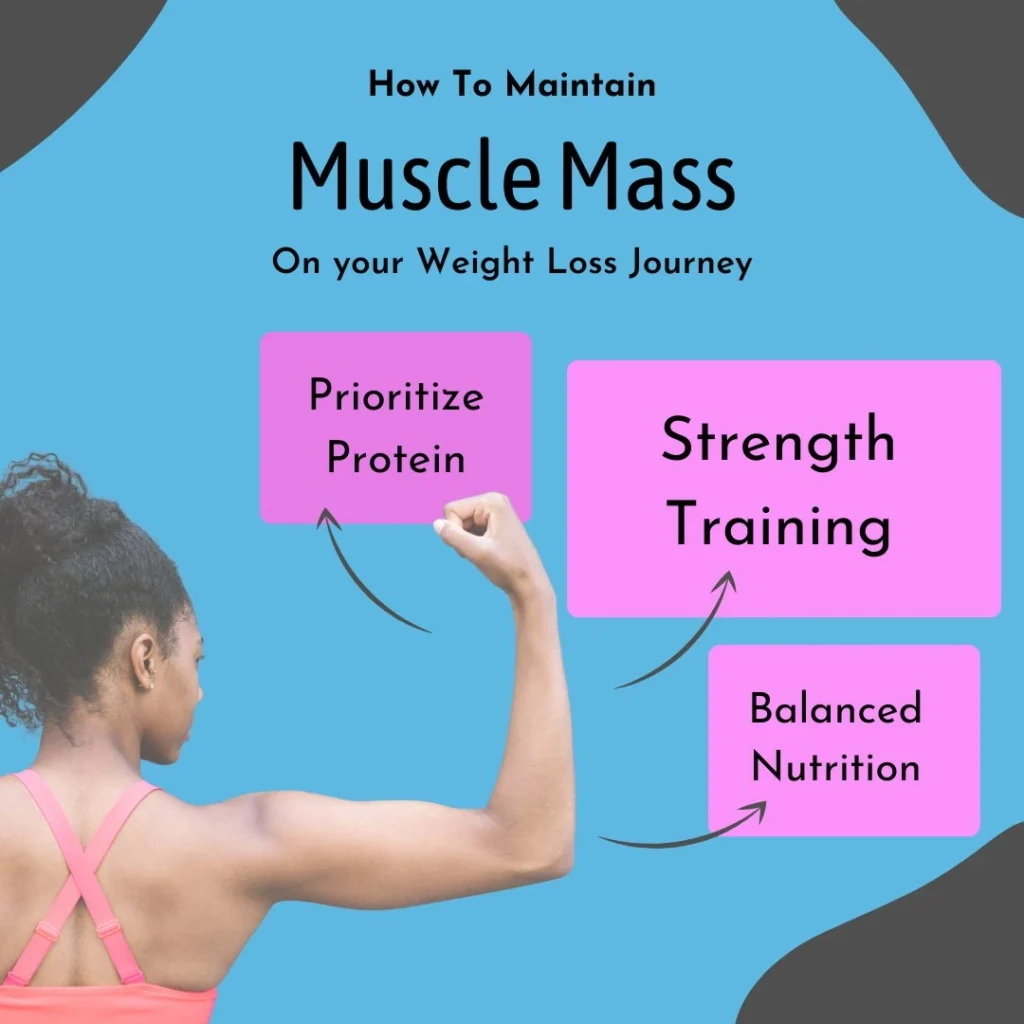
Resistance exercises – for example, with weights, bands, or your own weight are the most effective way for maintaining muscle mass [28],[29].
They stimulate muscle protein synthesis and counteract the catabolic effects of a calorie deficit. Even 2–3 short (30 min) strength training sessions per week can have a significant effect.
More about this how to maintain and even stimulate muscle growth – you can read here.
Furthermore, with significant calorie restriction (which often occurs with semaglutide therapy due to decreased appetite), it is important to ensure sufficient protein intake.
Good sources are legumes (including soy), lean fish, eggs, low-fat dairy, lean meat, protein foods, and quality protein supplements.
Guidelines for sufficient protein intake are around 1.2–1.6 g/kg of body weight per day, and for active athletes – up to 2 g/kg.
However, it is best for a nutritionist to accurately calculate a patient's needs depending on weight, goals, and activity.
How to eat during Wegovy therapy?
Semaglutide (Wegovy) therapy significantly reduces appetite, which facilitates weight loss.
But precisely for this reason – reduced food intake – the body is at risk of deficiency of important nutrients, including protein, vitamins, minerals and fiber.
To preserve muscle mass, it is key for patients to eat smart, not just less.
Protein – at every meal
In Wegovy therapy it is essential to ensure enough protein – at least 1.2–1.6 g/kg IDEAL body weight daily.
It is also important to distribute this intake evenly throughout the day, by including quality protein at every main meal.
Patients should emphasize:
- Low-fat sources such as chicken, turkey, fish, eggs, low-fat cottage cheese, yogurt, tofu;
- Vegetable proteins such as legumes (lentils, chickpeas, beans), nuts and seeds – in moderate quantities;
- Protein supplements (whey or plant protein) as needed, especially if you have difficulty getting enough food.
At least 500 grams of fruits and vegetables daily
Reduced meal volume often leads to low nutrient intake. fiber, vitamins and minerals.
One of the easiest and most useful ways to compensate for this is to include at least half a kilo of fresh fruits and vegetables every day – divided between meals.
Example:
- Breakfast: small apple or banana
- Lunch: salad with leafy greens and tomato
- Dinner: steamed broccoli or zucchini
- Snacks: carrots, peppers or fruit of choice
The goal is variety and color on the plate, to provide antioxidants, fiber, and important micronutrients.
Drinking enough water
Vegovi not only suppresses appetite, but in many people it also leads to decreased feeling of thirst. This poses a risk of dehydration, especially in people who generally do not drink enough fluids.
- The goal is a minimum 2 liters of water per day, unless there are medical contraindications.
- A significant convenience is a bottle with measured divisions or reminders on the phone.
- Tea without sugar, carbonated water without additives, and broths also count towards your daily intake.
Wegovy – Injection and Storage Instructions
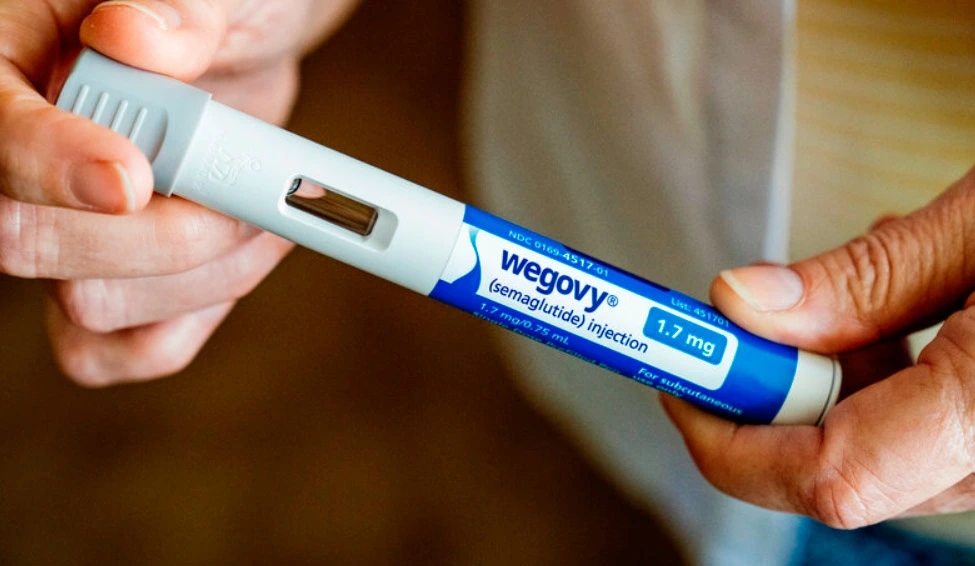
Wegovy (semaglutide) It is available by prescription and comes as a pre-filled pen for subcutaneous injections.
The solution contains semaglutide and excipients (disodium phosphate, propylene glycol and phenol) in low concentrations that extend the stability of the product after opening.
According to the leaflet, the following should be paid attention to when storing the medication: [30]:
- Storage before opening: in a refrigerator (2–8°C), including in the pharmacy, until the expiration date.
- After opening: can be stored for up to 28 days outside the refrigerator at a temperature below 30°C, but when stored in the refrigerator after first use it often remains stable for up to 6–8 weeks.
- Important: Never freeze Vegovi, shake it, expose it to direct sunlight or heat it above 30°C as this may damage the peptide structure of semaglutide and make it ineffective. Keep the pen away from the cooler in the refrigerator and always put the protective cap on to protect it from light.
How is Wegovy dosed?
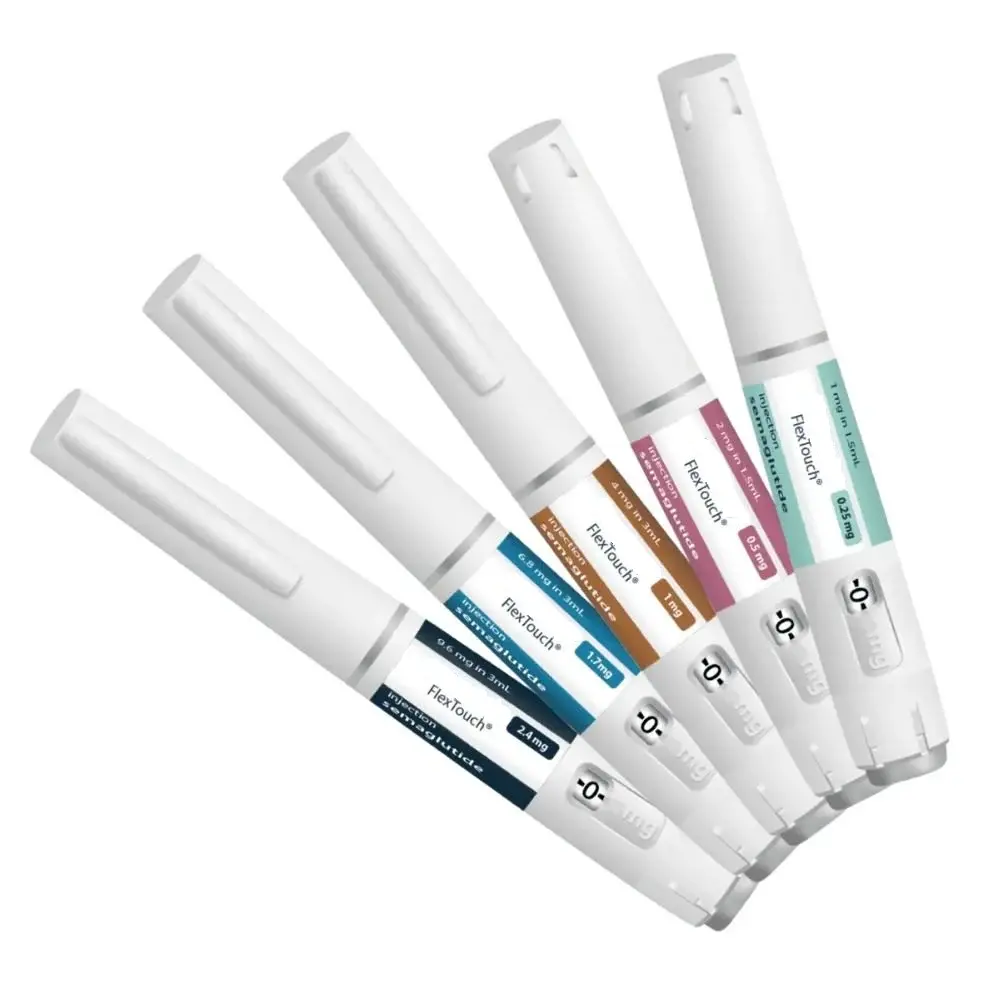
Wegovy is available in six different pens, which differ in their maximum dose. This is because any therapy with Vegovi should start with a low dose to reduce the risk of side effects.
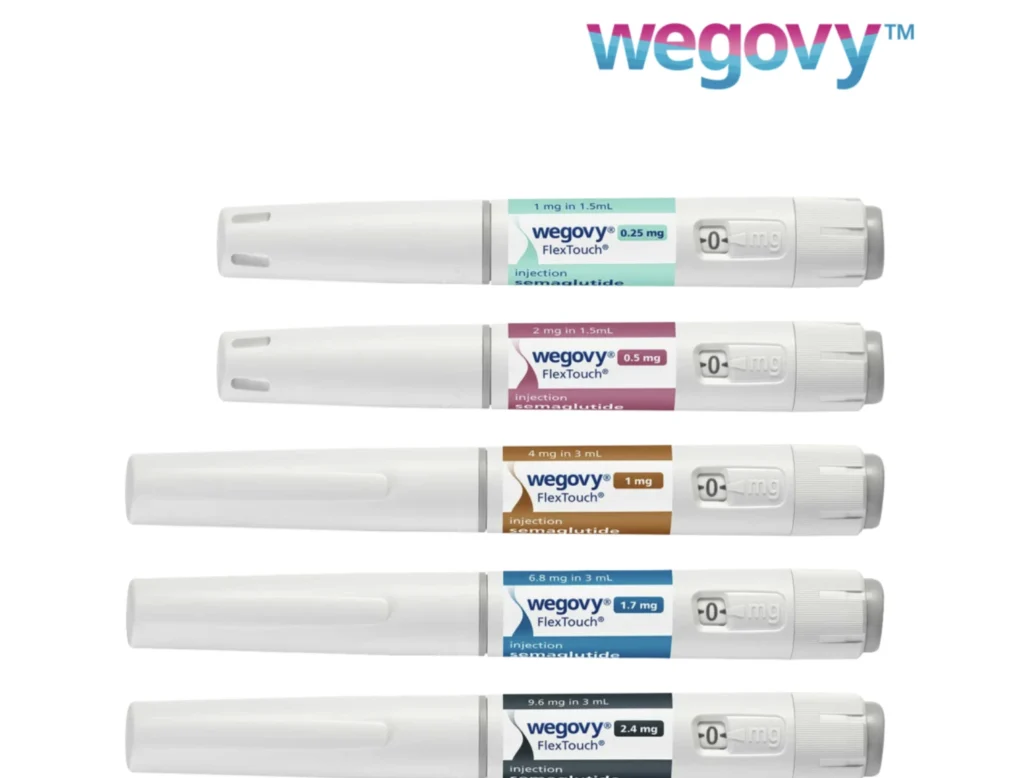
The six types of pens can deliver 0.25 mg/week, 0.5 mg/week, 1 mg/week, 1.7 mg/week, 2.4 mg/week and 7.2 mg/week respectively. [30].
Here are more details about each of them:
- The 0.25 mg per dose pen contains a total of 1 mg (for 4 doses) of semaglutide dissolved in 1.5 ml (0.68 mg/ml).
- This 0.5 mg per dose delivery contains 2 mg (for 4 doses) of semaglutide in 1.5 ml of solution (1.34 mg/ml).
- The next one delivering 1 mg per dose contains 4 mg (for 4 doses) of semaglutide in 3 ml of solution (1.34 mg/ml).
- The next one delivering 1.7 mg per dose contains 6.8 mg (for 4 doses) of semaglutide in 3 ml of solution (2.27 mg/ml).
- The next one delivering 2.4 mg per dose contains 9.6 mg (for 4 doses) of semaglutide in 3 ml of solution (3.2 mg/ml).
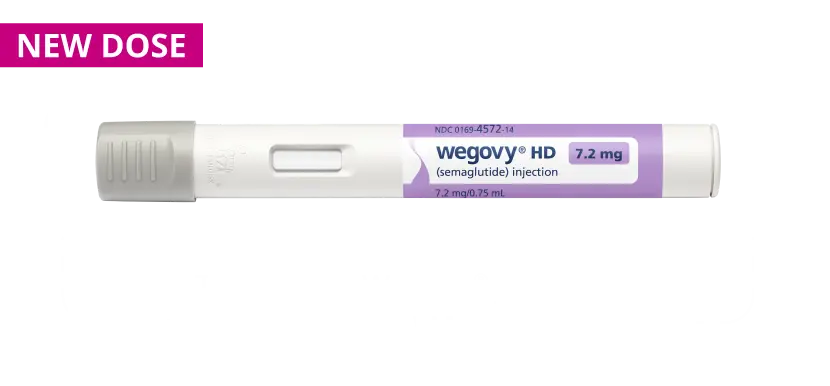
- As of July 2026, a pen containing four doses and delivering 7.2 mg per week has been approved.
How is Wegovy injected?
Wegovy is administered subcutaneously once a week, on the same day of the week. [5]. It is recommended to place it according to the following scheme: [30]:
- Start with 0.25 mg/week for the first 4 weeks (first pen).
- Increase to 0.5 mg/week from week 5 to 8 (second pen).
- Increase to 1 mg/week from week 9 to 12 (third pen).
- Increase to 1.7 mg/week from weeks 13 to 16 (fourth pen).
- Increase to 2.4 mg/week after week 17 (fifth pen and all subsequent pens).
- In a small proportion of patients, the higher dose of 7.2 mg/week can be reached.
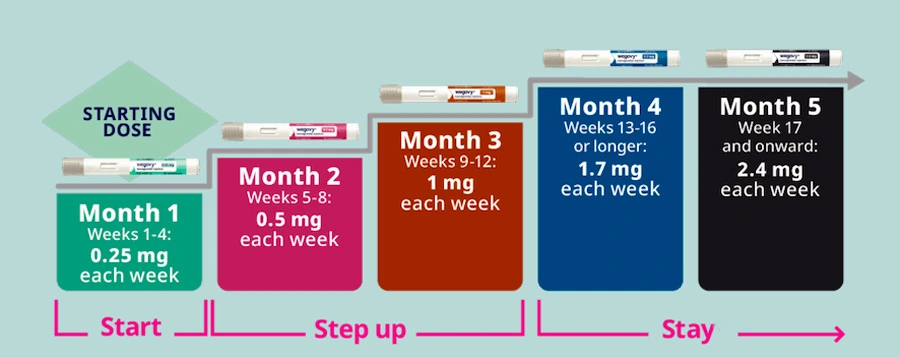
It is mandatory to follow the above regimen, and the dose escalation should not occur faster! Slower dose escalation is possible in people at increased risk of side effects.
If a dose is missed, it can be taken for up to 5 days and then we can return to regular intake.
If the missed dose is not taken within 5 days, it is best to skip it and return to regular dosing.
If the patient wants to change the day they take their dose, they must wait at least 2-3 days after the last dose to do so.
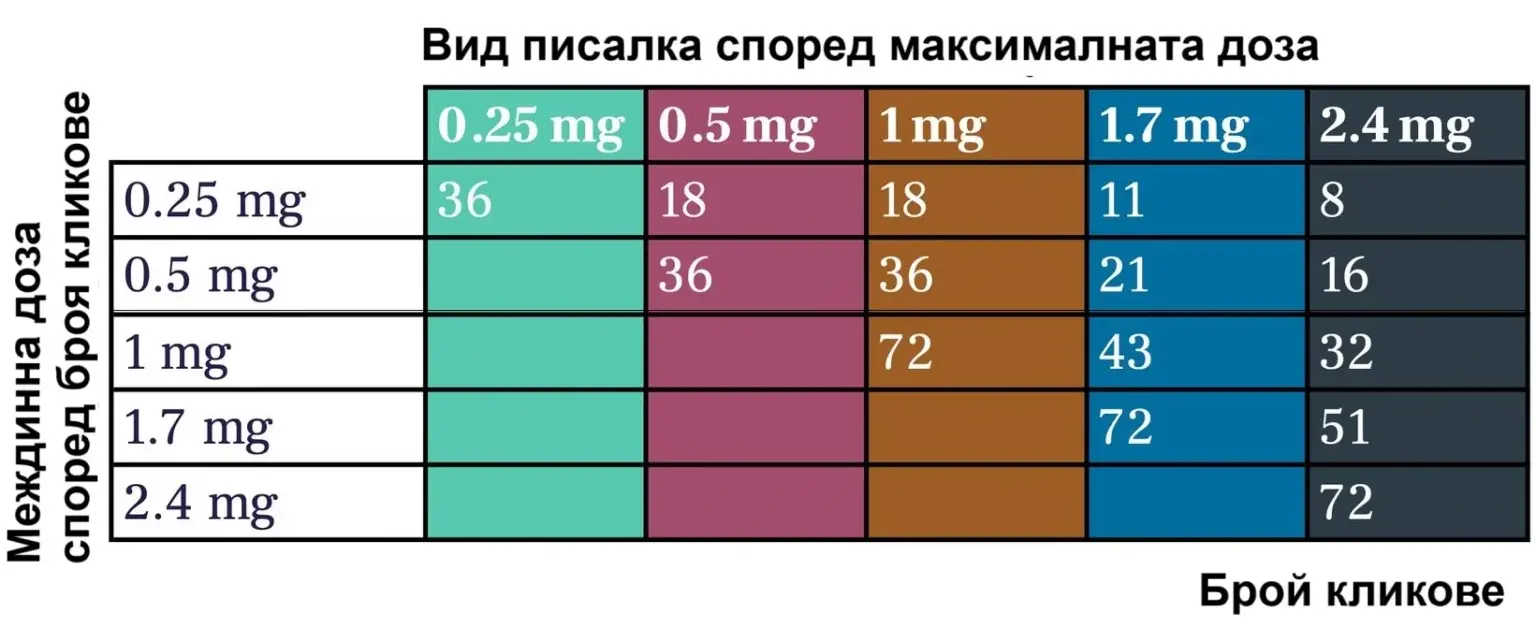
How many clicks do I need to count to measure a certain dose of Wegovy pen?
- Wegovy 0.25 mg pen allows up to 36 clicks = 0.25 mg dose
- A 0.5 mg Wegovy pen allows up to 36 clicks (18 clicks from this pen are again a 0.25 mg dose)
- A 1 mg Wegovy pen allows up to 72 clicks (18 clicks from this pen are again a 0.25 mg dose, and 36=0.5 mg)
- A 1.7 mg Wegovy pen allows up to 72 clicks (11 clicks from this pen are a 0.25 mg dose, and 21=0.5 mg)
- A 2.4 mg Wegovy pen allows up to 72 clicks (8 clicks from this pen are a 0.25 mg dose, and 16=0.5 mg)
Where is Wegovy placed?
Wegovy is administered subcutaneously in the abdomen (about 5 cm from the navel), the outer side of the thigh, or the upper back of the arm. The abdomen is the preferred site as it is the least painful.
The injection site should be changed each time to avoid damage to the skin and subcutaneous tissue. Do not inject into irritated, damaged or epilated skin. [30].
How to inject Wegovy?
Each pen contains four doses. Before using each pen for the first time, the patient should check that the device is working (a drop should come out) and that the solution is clear. The presence of a bubble is not a problem. [30].
Disinfection of the skin with alcohol is mandatory 70% and use a new sterile needle.
During injection (the pen should be at a right angle of 90° and the entire needle should be inserted into the skin), the button should be held for at least 6-10 seconds.
The needle is then removed and thrown away in a sharps container. The pen is capped and stored in the refrigerator.
Important: If a small lump forms under the skin, it means the injection was given superficially. It is not dangerous – it will go away within 24 hours. Local reactions such as redness or slight swelling are possible, but usually subside quickly. [30].
How long can Wegovy be taken?
According to clinical studies, Wegovy can be used safely for up to 104 weeks (2 years). The greatest weight loss is observed by week 60. [20],[31].
What is the Price of Wegovy?
The price of pens Wegovy Flex Touch of 0.25mg/dose, 0.5mg/dose and 1mg/dose is about 160 euros.
The price of Wegovy 1.7mg/dose is around 200 euros, and the price of Wegovy Flex Touch 2.4mg/dose is around 225 euros. The 7.2 mg/dose pen is approved, but not yet available in Bulgaria. All of these pens have a supply that lasts for 4 weeks.
Opinions about Wegovy – How safe is it according to a doctor:
„"When used properly and under medical supervision, Wegovy is effective for appetite suppression and weight reduction.".
Side effects, most commonly nausea, are common at first but usually subside. Patients at risk of gallstones and other biliary problems should be monitored and examined regularly.
Despite laboratory results in mice, there is no clinical evidence that Wegovy can cause thyroid or pancreatic cancer in humans.
Blindness due to NAION is a very rare (up to 1 in 10,000) but confirmed adverse reaction of semaglutide-containing products (Ozempic, Ribelsus, Wegovy). The risk depends on the dose (with Wegovy it is about 5 times higher compared to Ozempic), and especially on the presence of a rare anatomical feature of the optic disc, which is a major predisposing factor.
There is no evidence of kidney damage. On the contrary, there is evidence that Vegovi can improve kidney health. However, it is important to drink enough water during treatment, because the medication suppresses both appetite and thirst.
Dehydration should be avoided as it is itself a risk to kidney health.“
– Dr. Dimitar Marinov, MD, physician, specialist in nutrition and dietetics
If you found this article helpful, feel free to follow me on social media for more evidence-based content.

4 thoughts on “Отслабване с Вегови – Пълен Наръчник За Това Как Действа, Ползи и Рискове”
Do you spell Veg?
Yes, I prescribe and monitor therapy with Vegovi, in combination with nutritional recommendations to improve effectiveness and maintain the effect afterwards.
How can I contact you? elen4e@abv.bg
at number 0896 779 770